To prepare compressed peat moss, identify whether the package contains raw peat or a formulated growing medium, loosen the material, and follow the product instructions for initial wetting. Check the first filled containers before continuing. Opening a bale does not turn raw peat into a finished crop mix.
- Check the product and its existing additions before changing the recipe.
- Loosen compacted pieces, but check that the mill does not turn the peat into dust.
- Check wetting through the material, not just on its surface.
- Inspect the first containers before preparing the rest of the batch.
A compressed bale is convenient to transport. At the mixing or filling station, the job is to turn it into workable material without changing the structure or the agreed formulation. The following sequence is for commercial growers and local substrate blenders preparing a production run.
First, check what is inside the package
Put the product label and order specification beside the preparation area. Raw peat, pH-adjusted peat and a finished fertilised mix can look similar after opening, but they require different decisions before planting.
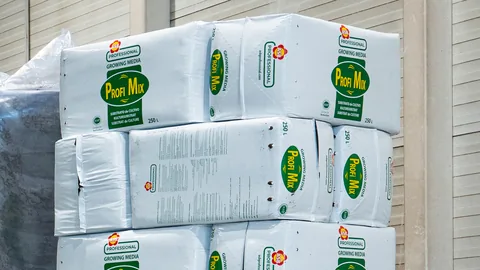
For example, ASB Professional Substrate WP010 is a 0-10 mm white peat raw material. ASB Professional Substrate 0-10 Fertilizer is a formulated seedling mix that already contains a wetting agent and fertiliser. Do not add a wetting agent or fertiliser to both simply because they arrive as compressed peat-based products. Establish what is already included and what the approved recipe still requires.
Keep the batch reference with the material after the wrapping is removed. If two products are being prepared in the same area, identify their hoppers or working containers so the next operator can tell them apart.
Package size changes the preparation job
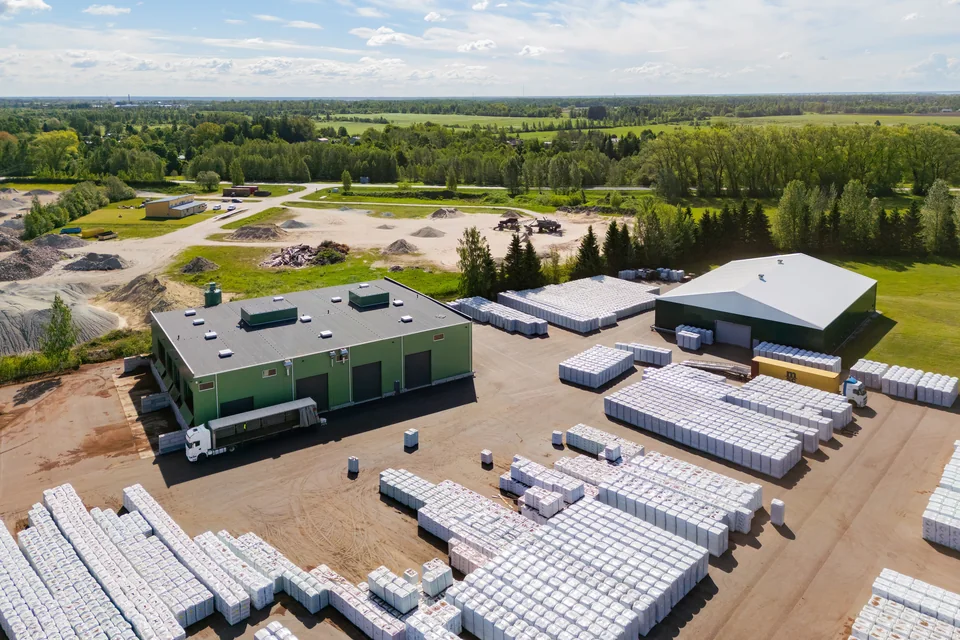
The same product is supplied in very different formats. ASB's published Estonian raw peat and potting mix packaging runs from 50 L and 80 L bags through 200 L and 250 L to 5800 L bales. North American products are listed in 3.8 cu. ft. bags and 110 cu. ft. bales. A bag can be opened at the filling station. A large bale needs lifting, loading and loosening equipment, so confirm the format before planning the preparation area.
| Product | Material | pH | Wetting agent | Published packaging |
|---|---|---|---|---|
| WP010 | Raw white peat, 0-10 mm | 3.5-4.2, natural | Not included | 50, 80, 200, 250 and 5800 L |
| 0-10 Fertilizer | Seedling mix, 0-10 mm, with fertiliser | 5.8-6.2 | Included | 50, 80, 200, 250 and 5800 L |
The table shows why the first check matters: the two products arrive in similar formats but need different decisions at the mixing station. These 0-10 mm examples are selected for tray and cell programmes, not potting applications. Raw peat still requires the agreed formulation before planting. Packaging and pH ranges come from the ASB product pages. Confirm them against the specification for the delivery you receive.
Set up a clean preparation area
Remove old substrate and packaging fragments from the equipment before opening new stock. Keep the working material off bare ground and away from used growing media. UMass Extension's handling guidance recommends protecting ingredients and bagged media from contamination.
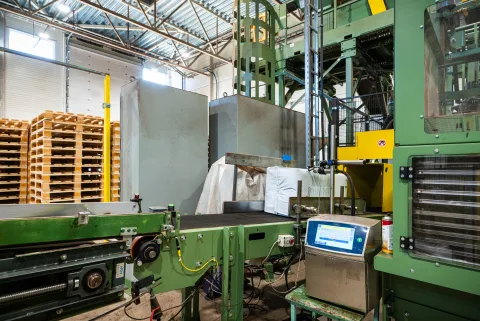
Follow the equipment manufacturer's safe opening, lifting and loading procedure, especially for big bales. Take off the wrapping where it can be collected without entering the mix. Check local dust-control and protective-equipment requirements before handling dry material.
Prepare a quantity that the next operation can use and keep the unopened stock protected. Longer-term storage and partly used packages are covered in How to Store Peat Moss and Growing Media Before Use.
Loosen the peat and check the milling result
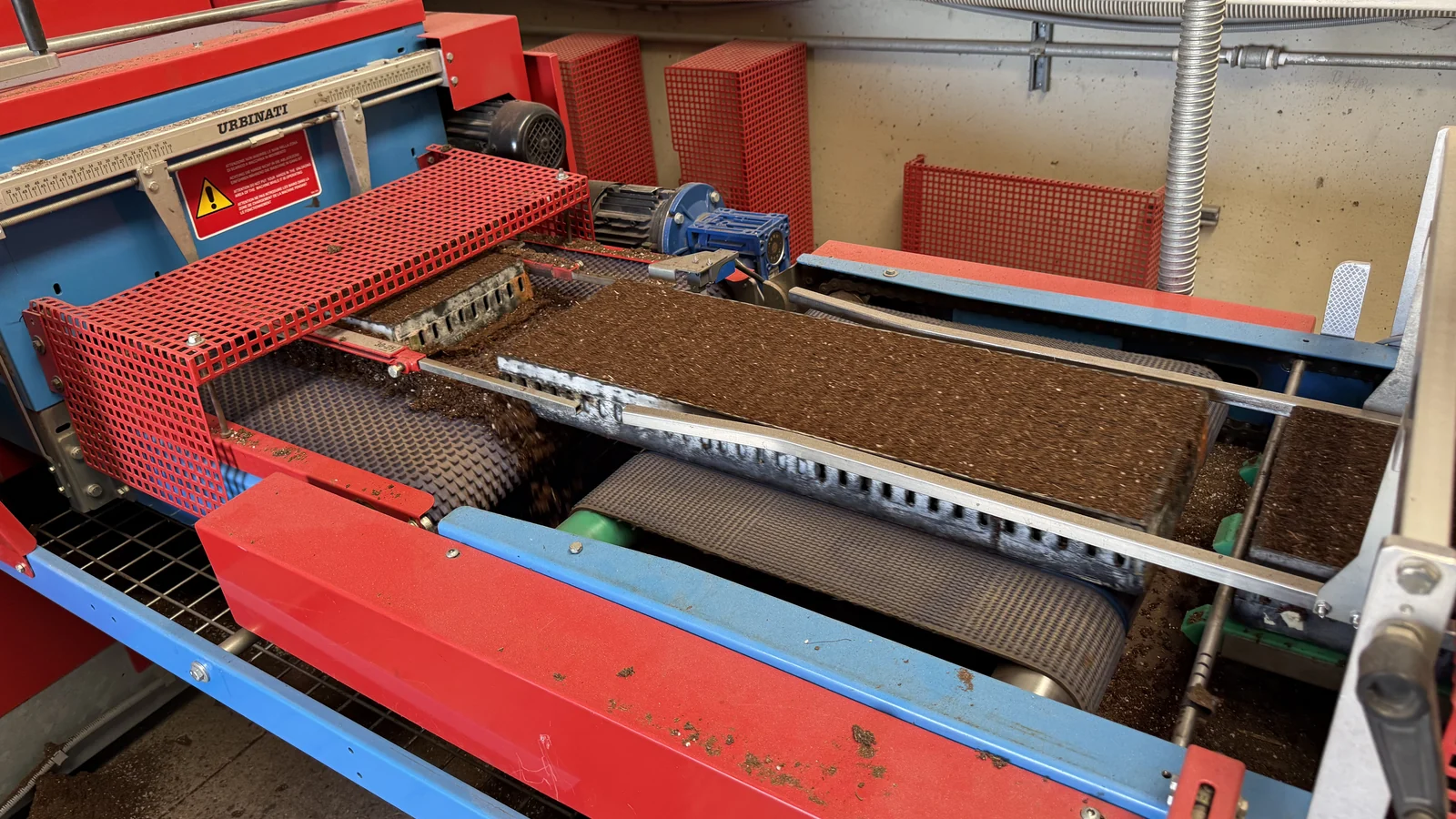
Many growers loosen compressed peat with a milling system. Milling works when the blades break up the compacted pieces without turning the peat into dust. If you see more fine dust than usual, check blade speed and run time before the next batch. For small quantities, loosen by hand. Follow the supplier's instructions. Inspect the output rather than assuming that material passing through a machine is fully loosened. A compact piece can still be small enough to pass into the next hopper.
The aim is to release the compressed structure, not to make every particle the same size. A longer fibre or coarse peat piece is not automatically a lump that needs crushing. If an intact compacted piece breaks into several smaller compacted pieces, check the loosening operation before increasing mixing time.
Keep a loose sample beside the station for comparison with the next batch. Look at it in a shallow, clean tray so dense pieces are easier to see. For the difference between declared fractions and individual particles, see the peat moss fractions guide.
UMass advises thorough mixing of grower-made blends while avoiding overmixing, particularly where vermiculite or controlled-release fertiliser is present. More time in a mixer is not an automatic improvement. Follow the agreed sequence for adding components and stop when that operation is complete.
Check initial wetting before filling
University of Arkansas Extension identifies wetting as a practical difficulty with peat moss and recommends checking how readily the material takes up water before use. It also notes that some products already contain a wetting agent.
Use the product's preparation instructions for water addition. Check whether water is reaching the interior of the material: take samples from different parts of the prepared quantity and open any persistent pieces. A darker surface alone does not show that the whole batch has wetted evenly.
If water runs off or leaves dry pockets, pause before loading the whole quantity into the filler. Check the water distribution, the loosening result and whether the product already contains a wetting agent. Ask the supplier about a suitable correction rather than adding an unmeasured extra dose.
There is no single water dose or soaking time in this guide. An instruction for one peat product should not be copied onto another with a different starting moisture or composition.
Run a small quantity through the actual filler
Use the intended tray or pot and inspect containers from the start and later in the short run. Look for unfilled corners, compacted pieces, bridging over small cells and workers repeatedly correcting the fill by hand. Keep examples of a good fill and a rejected fill at the station while adjustments are made.
Fill consistently without forcing extra material into the containers. UMass recommends light filling and warns against compaction from tamping or stacking filled containers. Preparation and filling need to be checked together: a loose hopper sample does not prove that the material remains loose in the pot.
If the fill is uneven, change one setting at a time and compare the next containers. Note whether the correction was made at the loosener, the water supply or the filler. That makes the result useful to the next shift.
Keep one preparation record
A short station record is easier to use than several disconnected notes. Include the following details.
- Product name, batch reference and preparation date.
- Raw material or formulated mix, with any approved additions.
- Equipment and settings used for loosening and filling.
- Water or other additions actually made, including the quantity prepared.
- Tray or pot used in the short run, the problem observed and the adjustment that resolved it.
Photograph a persistent lump or poor fill alongside the product label if supplier help is needed. That gives the ASB team something specific to assess instead of a general report that the peat is difficult to use.
Choose the right starting product
For local blending, ASB raw peat materials provide specified fractions for an agreed formulation. For a nursery preparing trays and cells, ASB seedling mixes offer formulated alternatives. Confirm the product before deciding what to add at the nursery.
Good preparation ends with material that can be handled and filled consistently, with the product identity still traceable. It does not require a universal expansion ratio or a new recipe at the filling line.
Recommended ASB products
These products are commonly evaluated with the strategy covered in this article.
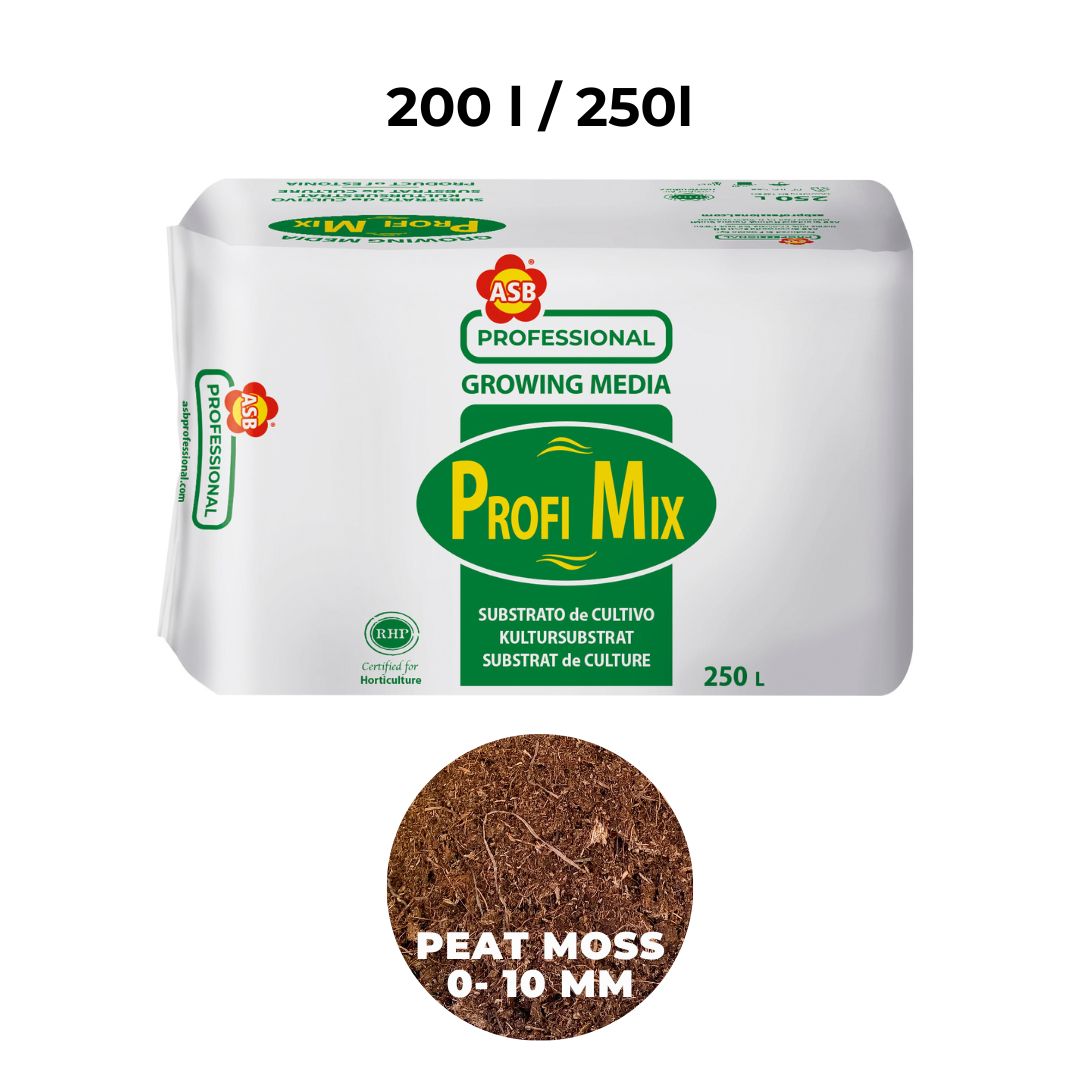
ASB Professional Substrate WP010
A raw-material starting point for local blending of tray and cell mixes. Confirm the finished formulation before adding components or planting.
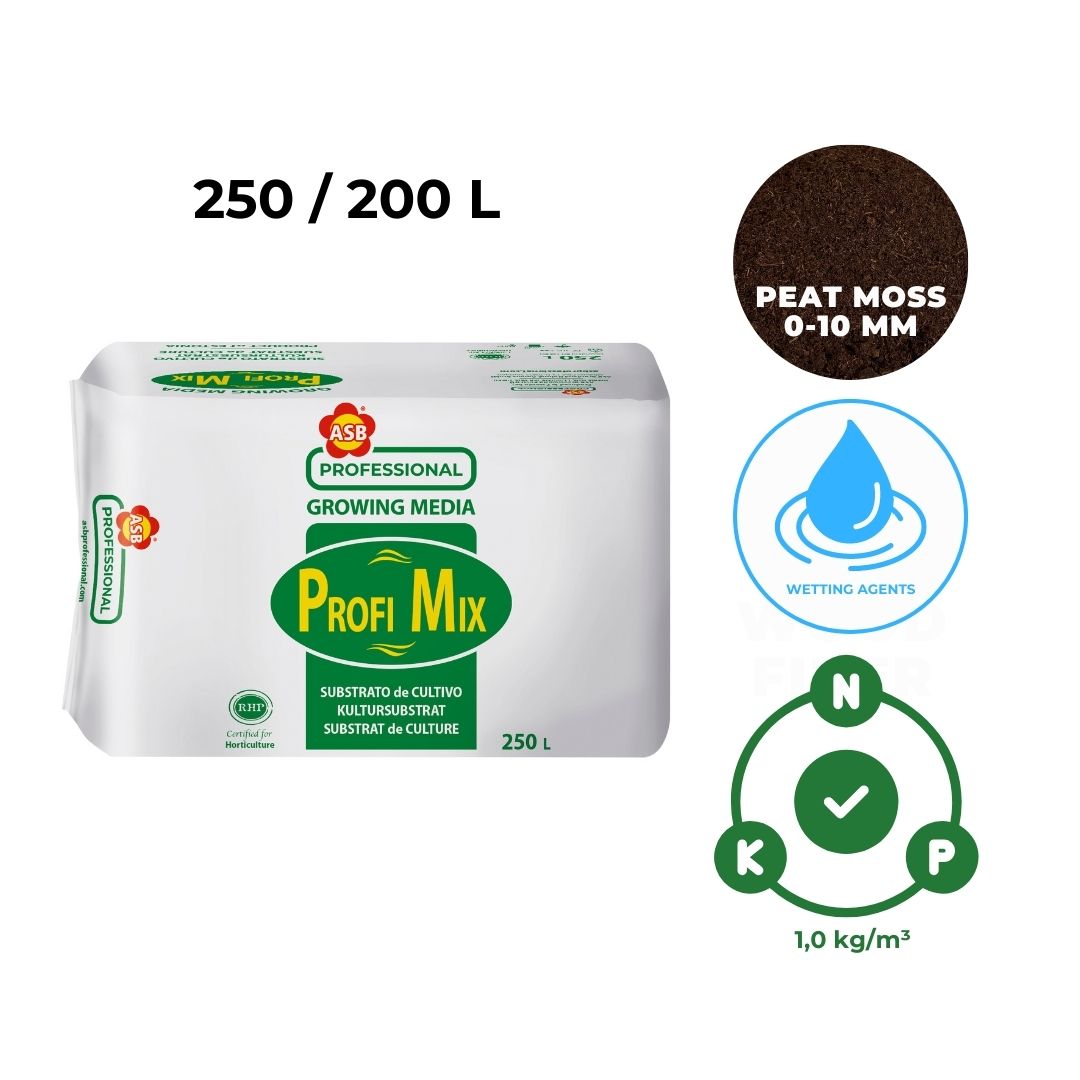
ASB Professional Substrate 0-10 Fertilizer
A formulated seedling mix with wetting agent and fertiliser already included. Check the specification before making further additions.
FAQ
How do I loosen compressed peat moss?
Many growers use a milling system. It works when the blades break up the compacted pieces without turning the peat into dust, so check blade speed and run time. For small quantities, loosen by hand. Check the output for compacted pieces before filling.
Should I add water before filling trays with peat-based growing media?
Follow the product's initial-wetting instructions and check the prepared material before filling. Water addition depends on its starting condition and formulation. Inspect several samples, including the inside of persistent pieces, rather than judging wetting only by the surface colour.
Does every compressed peat product need an extra wetting agent?
No. Some formulated products already contain one. Check the label and specification first. If the material is difficult to wet, discuss the preparation process and any correction with the supplier instead of adding a second dose automatically.
Can raw peat moss be planted into immediately after loosening?
Loosening alone does not establish suitability for the crop. Raw peat and a formulated growing medium are different products. Confirm the intended use and any required pH adjustment, nutrition or other additions before planting.
What should I check if peat fills trays unevenly?
Inspect the prepared material for compacted pieces and uneven wetting, then check the filler using the actual tray. Change one setting at a time and compare the next containers. Record where the correction was made so it can be repeated on the next run.
Preparing peat for a mixing or filling line?
Share the product, package format, equipment and a photograph of the preparation problem with the ASB Professional team.
ASB Professional Editorial Team