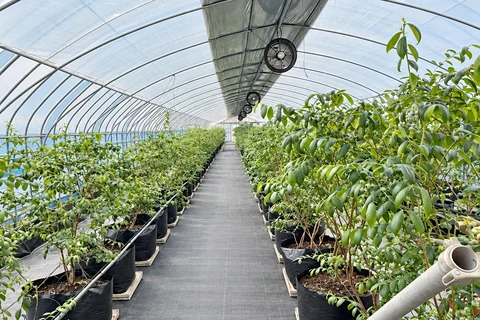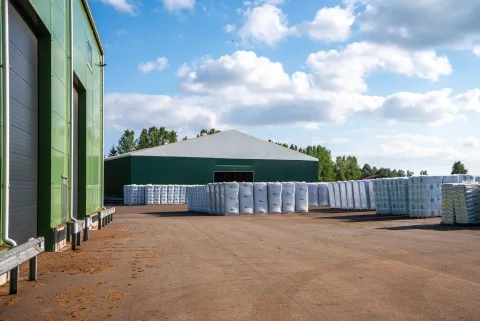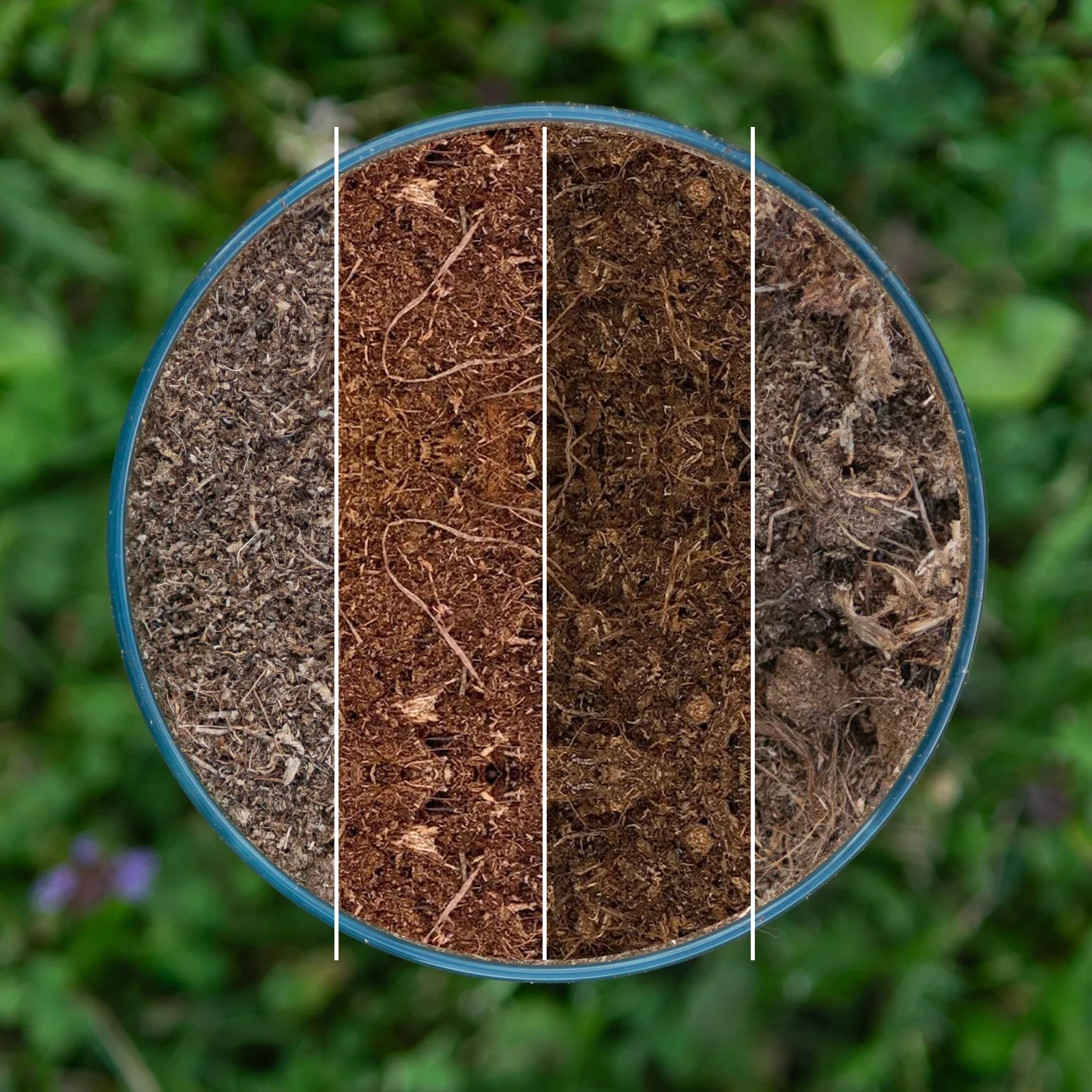
0-5, 0-10, 0-25 and 0-40 mm peat moss fractions are raw-material starting points, not finished growing-media recipes, and fraction alone does not determine performance. Decomposition grade and colour shift how each fraction holds water and air, so substrate blenders and growers should confirm both, match them to the intended composition and production system, then verify the result in a realistic trial.
- A peat moss fraction describes the structural starting point of raw peat — but decomposition grade and colour, not fraction alone, determine how it holds water and air.
- Fine 0-5 mm and 0-10 mm materials can be relevant where a refined structure is needed; 0-25 mm and 0-40 mm provide broader and coarser starting points for custom formulations.
- The fraction must be considered together with decomposition grade, colour, the crop, container, filling process, irrigation routine and all locally added components.
- A meaningful raw-peat comparison states the fraction, decomposition grade, current specification, packaging, volume, destination and trial plan.
Peat moss fractions are one of the first specification points settled in any raw-peat supply discussion. A 0-5, 0-10, 0-25 or 0-40 mm material sets the structural starting point for a local mix, but the number on the spec sheet doesn't, by itself, tell you how the substrate will behave in production. Decomposition level and peat type sit alongside fraction as an equally basic part of the specification — a lightly decomposed, pale fiber and a well-humified, dark fiber screened to the same millimetre range will not hold water or air the same way.
For a substrate blender, grower or procurement team, the practical question isn't which fraction is finer or coarser on paper. It's whether that raw peat will perform with the components already in the recipe, the crop being grown, the container or tray, the filling line, and the irrigation routine in use. A quote that lists only a millimetre range and a price leaves out the production context that actually determines fitness for purpose — and it usually leaves out decomposition grade too, even though a more decomposed peat at the same fraction will pack down, drain and rewet differently from a fibrous, less decomposed one.
A fraction is a raw material, not a finished substrate:
Raw peat moss is a bulk input for local blending, not a ready-to-use growing medium. It can be combined with other peat fractions, perlite, wood fiber, coir, bark, clay, lime for pH correction, starter fertilizer or wetting agent, depending on the product being built. The finished growing medium is the result of that full formulation, not the raw fraction on its own. The base peat's own decomposition level plays into that result as much as fraction does: a weakly decomposed, fibrous peat brings more structural water and air capacity into the mix, while a more humified, darker peat brings higher water-holding and cation exchange capacity but less structural rigidity.
This distinction matters at the quoting stage. A raw peat fraction shouldn't be benchmarked directly against a finished, pH-corrected, pre-fertilized substrate sold for a specific crop. They sit at different points in the production chain, and the responsibility for adjustment sits with different parties depending on which one is being bought. The same caution applies when comparing two raw peat offers against each other: matching fraction without matching decomposition grade and colour isn't a like-for-like comparison, even if both lots are labelled with the same millimetre range.
What the millimetre range tells you, and where it stops:
The millimetre range states the screening band the raw material has been passed through. A tighter range such as 0-5 mm gives a finer, more uniform baseline; a broader range such as 0-25 mm or 0-40 mm carries a higher proportion of coarse fiber and shifts the bulk profile toward a more open, bulkier structure. That screening band is a separate axis from decomposition grade — often described on the von Post scale from weakly decomposed (fibric, pale) to well decomposed (humic, dark) — and colour is largely a visual proxy for where the peat sits on that scale.
In practical terms, the von Post scale groups that decomposition range into three bands that matter for a buyer.
- H1-H3, weakly decomposed: pale, fibrous peat where plant structure is still clearly visible, and squeezing a handful releases mostly clear water.
- H4-H6, moderately decomposed: transitional colour and structure, releasing muddy water and a small amount of soft peat when squeezed.
- H7-H10, highly to fully decomposed: dark, largely amorphous peat with little recognisable plant structure, releasing thick, pasty material when squeezed.
That range on its own isn't a full performance specification. Peer-reviewed research on peat-based substrates links particle-size distribution to air-filled porosity, drainage rate and root-zone aeration, with coarser fractions generally opening up more air space in the pore matrix (see Peat particle size effects on spatial root distribution). The same body of work links decomposition degree to bulk density and water-holding capacity independently of particle size, so a coarse but well-decomposed peat can hold more water than the fraction alone would suggest. That's useful background on the mechanism, not a substitute for confirming the current physical specification, decomposition grade, moisture condition, natural pH, packaging format, batch-to-batch consistency and the properties the material develops once it is blended with local components.
The ASB Professional raw-materials range currently covers all four bands — 0-5, 0-10, 0-25 and 0-40 mm white peat — listed at a natural pH of 3.5-4.2, in 200 L, 250 L and 5800 L packaging. White peat itself already signals a decomposition class: weakly decomposed, light-coloured fiber from the upper peat layer, as distinct from the darker, more humified brown or black peat drawn from deeper layers. Confirming decomposition grade and colour should go hand in hand with confirming fraction. Confirm the current specification and available packaging before ordering — here is how each fraction is typically used on the blending floor.
0-5 mm: fine raw peat for refined blends:
ASB Professional Substrate WP05 is fine, tightly screened raw white peat suited to propagation-oriented blending, acidic crop programmes and mixes where particle-size control matters more than bulk density. In practice, this is the fraction blenders reach for when the target is a small-cell plug tray — commonly 128- to 288-cell formats — where oversized peat fragments can block drainage holes or leave uneven air pockets around a developing root plug. The fine screening is usually paired with a weakly decomposed, pale fiber, which is what lets WP05 keep an open, aerated structure despite the small particle size; a more humified, darker peat screened to the same 0-5 mm band would compact and hold water far more readily, which matters in a propagation cell where waterlogging is a real risk.
A realistic evaluation should run in the actual tray or cell, with the intended filling method, irrigation routine and local components already in the mix. Fine material supports a refined, uniform blend, but the buyer still needs to verify first-wetting behaviour, filling consistency and root-zone management under real production conditions, alongside confirming that decomposition grade and colour hold steady from batch to batch.
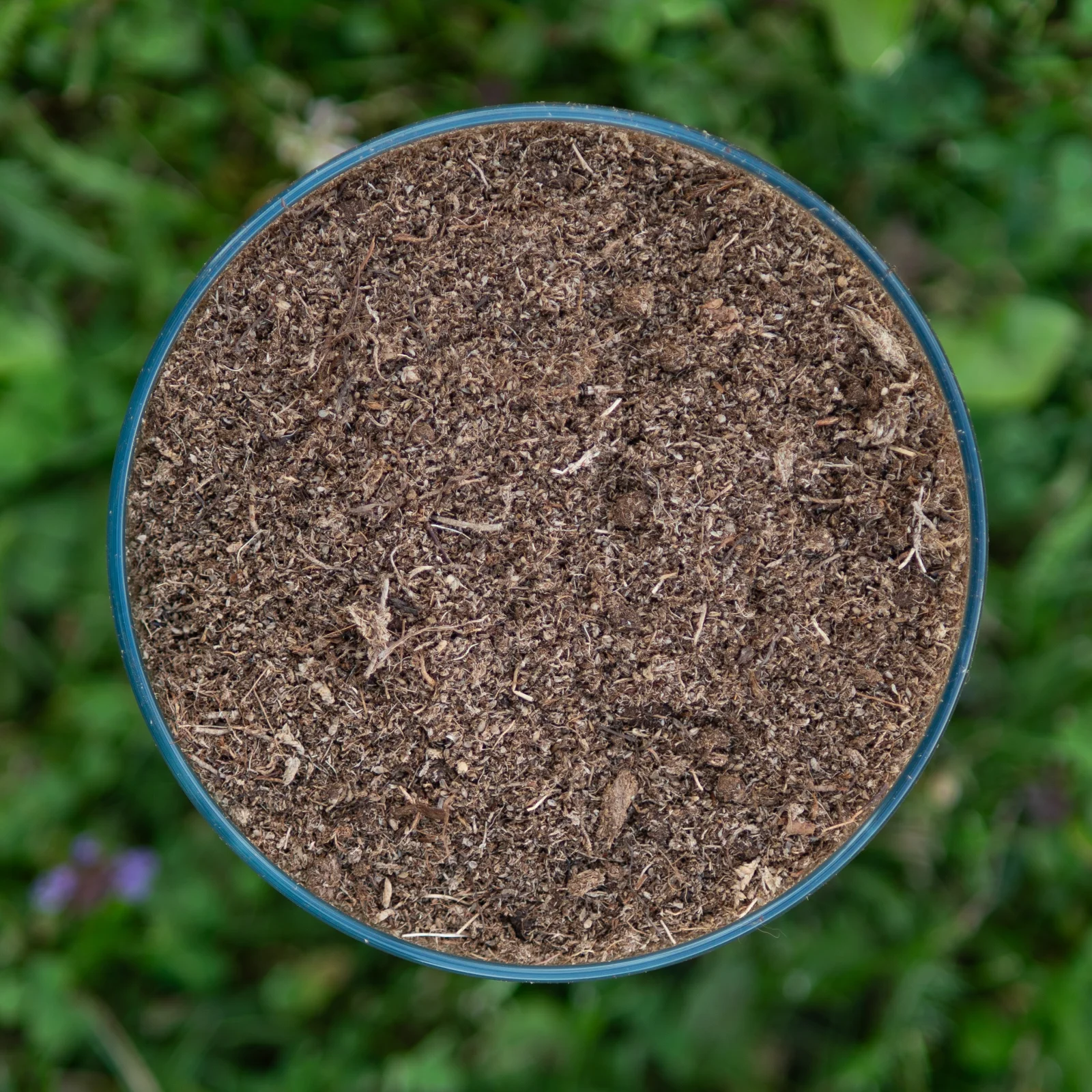
0-10 mm: a broader fine starting point:
ASB Professional Substrate WP010 sits just above WP05 — still a fine fraction, but carrying enough coarser fiber to loosen structure slightly and reduce the compaction risk that can build up during mechanical filling. That makes it a common choice for young-plant and seedling programmes running larger cell sizes, or crop cycles slightly longer than a 0-5 mm propagation mix is built for. Decomposition grade interacts with that fraction shift too — a WP010 lot at the paler, less-decomposed end of white peat will drain more freely than one closer to the transitional, slightly darker end of the same fraction, even though both are sold under the same product code.
The choice between 0-5 and 0-10 mm should be settled in the local recipe, not by product code alone. Run both through the actual filling line, in the container that will be used, and through the watering routine the crop team will apply day to day — and note the colour and decomposition grade of each sample so any performance difference can be traced to the right variable. For a real nursery case using a 0-10 mm direction for large trays, see Substrate for Plant Cuttings.
0-25 mm: a medium fraction for general formulation:
ASB Professional Substrate WP025 is a medium raw peat, positioned between the fine WP05/WP010 pair and the coarse WP040. Distributors and blenders typically use it as the general-purpose base for a custom formulation, then adjust the finished mix finer or coarser using the other three fractions depending on crop and container. Because it sits in the middle of the range, WP025's decomposition grade and colour have more influence on the finished blend's water-holding behaviour than fraction alone, since blenders are already relying on the other three fractions to fine-tune structure.
Even so, this fraction still has to be assessed against intended use. Define the other components, inclusion rates, container size, drainage target and handling requirement before assuming 0-25 mm answers the whole formulation question on its own. In distributor stock it is often the fastest-moving of the four fractions, simply because most custom recipes land somewhere in the middle of the particle-size range rather than at either extreme. Document the decomposition grade of the specific lot alongside the fraction, since two 0-25 mm deliveries months apart can differ in colour and water-holding capacity even when the millimetre range is unchanged.
0-40 mm: the coarse end of the range:
ASB Professional Substrate WP040 is the coarsest fraction in the range. Blenders typically bring it in at a percentage of the finished mix — not as a stand-alone growing medium — to open up structure and improve drainage in larger containers or longer crop cycles where waterlogging is the greater risk relative to under-watering. Decomposition grade matters as much as bulk here: a weakly decomposed, fibrous coarse peat holds its structure and drainage channels for longer under compression and repeated wetting, while a more humified coarse peat of the same 0-40 mm fraction can break down and lose that open structure well before the crop cycle ends.
Larger containers and longer crop cycles do put a premium on structural stability and drainage, but that alone doesn't set the correct inclusion rate. Test the 0-40 mm material at the intended percentage, in the actual composition, container and irrigation routine, before committing to a larger-volume specification — and check structural stability over the full crop cycle, not just at filling, given how much decomposition grade affects fiber longevity under compression.
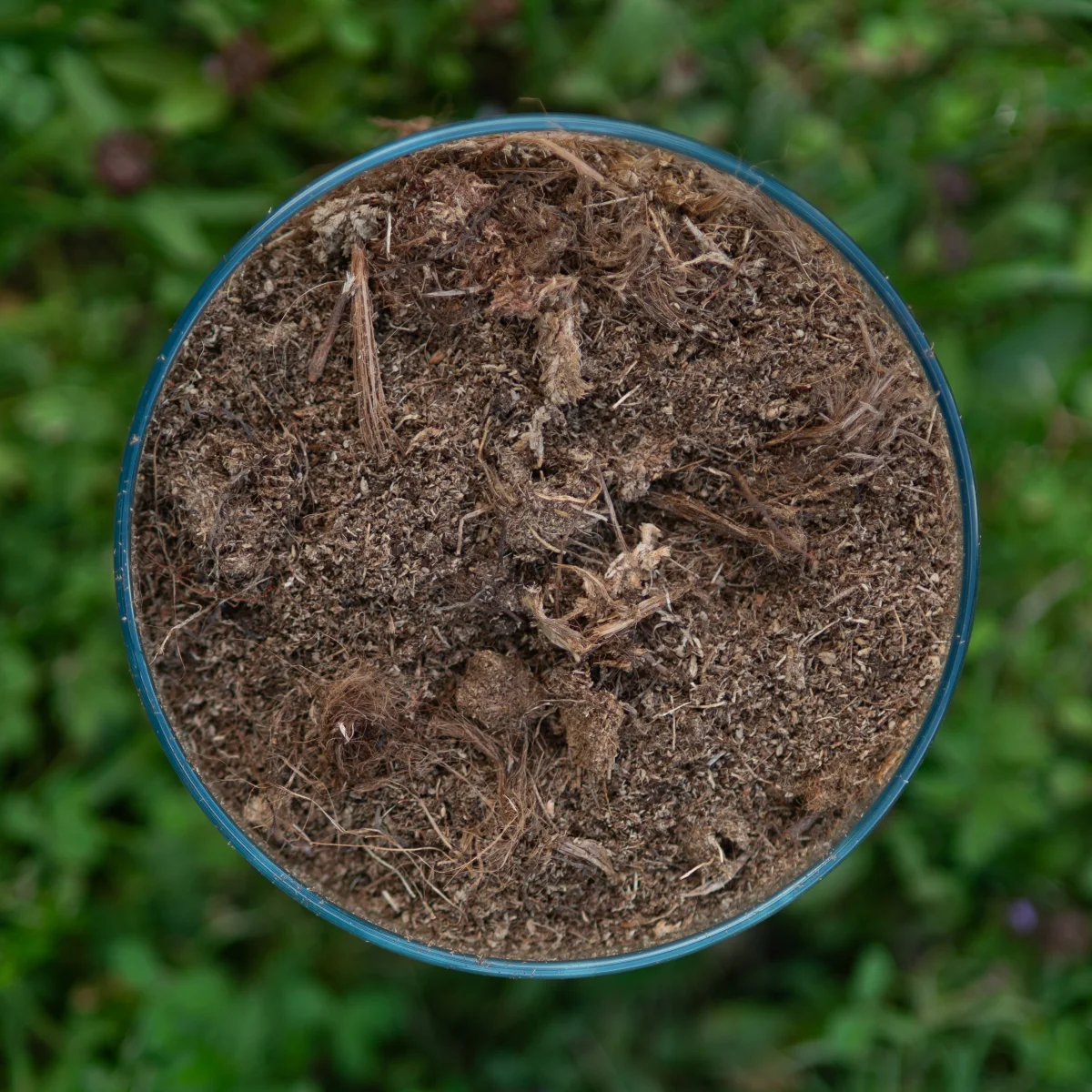
For finished mixes where a more open root zone is the target, High-Porosity Growing Media for Container Nurseries explains how air space, container height, filling density and irrigation should be evaluated together.
Fraction isn't the same specification as peat type:
Fraction, peat type and finished composition are three separate specification points, and folding them into one vague material description is where most supplier-buyer misunderstandings start. Peat type is largely defined by decomposition level and the colour that goes with it — white, brown or black — while fraction describes particle size within that type; the two axes move independently, so a fraction number never tells you the decomposition grade, and vice versa. A buyer discussing a defined raw white peat fraction should still address decomposition grade, moisture content, pH, packaging and the intended purpose of the finished blend as separate line items in the conversation.
For the distinction between white, brown and black peat, see White Peat vs Brown Peat vs Black Peat. For a wider discussion of origin, processing and fiber structure, see Baltic Peat Moss.
A practical method for comparing fractions in a local recipe:
- 1Anchor the comparison to one real production use:
Pick one crop, one container or tray format, one filling system, one irrigation routine and one production period. A fraction comparison carries little value when the intended use is left broad — a propagation tray, a nursery pot and a large container place very different structural demands on the same raw material.
- 1Keep the rest of the recipe fixed and visible:
Record which peat fractions and other components are in the mix, the decomposition grade and colour of each peat lot, along with pH correction, wetting agent, fertilizer programme and target moisture and drainage behaviour. This keeps the trial isolated to the variable that is actually changing, rather than attributing every outcome to the raw peat fraction alone when a shift in decomposition grade could be the real driver.
- 1Run the comparison in the real operating system:
Use the planned filling line, water source and crop-management routine. Track filling behaviour, first wetting, water distribution, drainage rate, dry-down speed, root development and the amount of correction the crop team has to make on the fly. For the measurement context that should accompany pH and EC readings, see Peat Moss pH and EC.
What to document before requesting a quote:
- Requested fraction, and whether the material will go into a local recipe or be supplied onward to another blender.
- Required decomposition level and colour of the peat (white, brown or black), confirmed alongside the millimetre range rather than assumed from it.
- Target crop or customer segment, container or tray format, intended production period and irrigation routine.
- Other local components, and whether pH correction, fertilizer or wetting agent will be added after delivery.
- Required packaging, volume, destination, delivery window, documentation and trial quantity.
Putting this on paper turns a raw-peat enquiry into a working technical discussion. It lets the supplier confirm the right product option and helps the buyer avoid benchmarking materials that were never built for the same finished composition.
How fraction fits into the wider supply conversation:
For international raw-peat supply, fraction is only one line of the agreed specification. Buyers should also align on current product data — including decomposition grade and colour, not just the millimetre range — packaging format, planned volume, storage capability, shipping destination and delivery window. A 5800 L bale may be commercially efficient for one blending operation and impractical for another with different storage or handling equipment on site.
The same discipline applies to trials. A small evaluation should mirror the conditions that will apply after scale-up. It's more useful to test one properly documented fraction in a real formula than to order several materials without a defined comparison plan.
Where this leaves a buyer:
0-5, 0-10, 0-25 and 0-40 mm peat moss fractions give professional blenders four distinct starting points for a formulation. The right choice isn't determined by the number alone — it comes from defining the local recipe, crop, container, filling and irrigation system, confirming the current specification including decomposition grade and colour, and then verifying the result in a practical trial.
ASB Professional can advise on raw white peat fractions for local substrate production and export programmes. Share the intended use before requesting a quote so the technical and commercial discussion starts from the material the programme actually needs.
Recommended ASB products
These products are commonly evaluated with the strategy covered in this article.
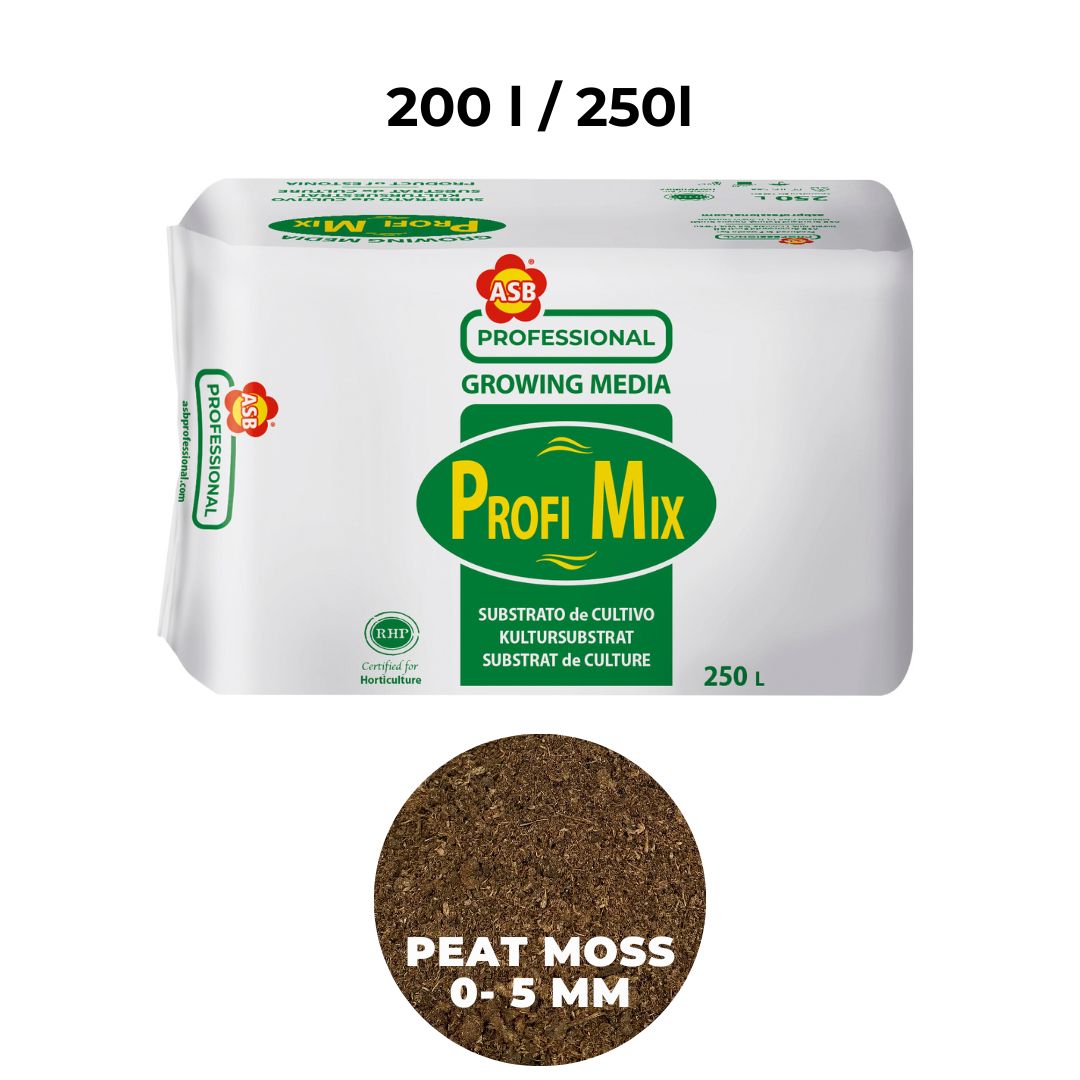
ASB Professional Substrate WP05
A fine raw-material reference for propagation-oriented blending and tighter particle-size control.
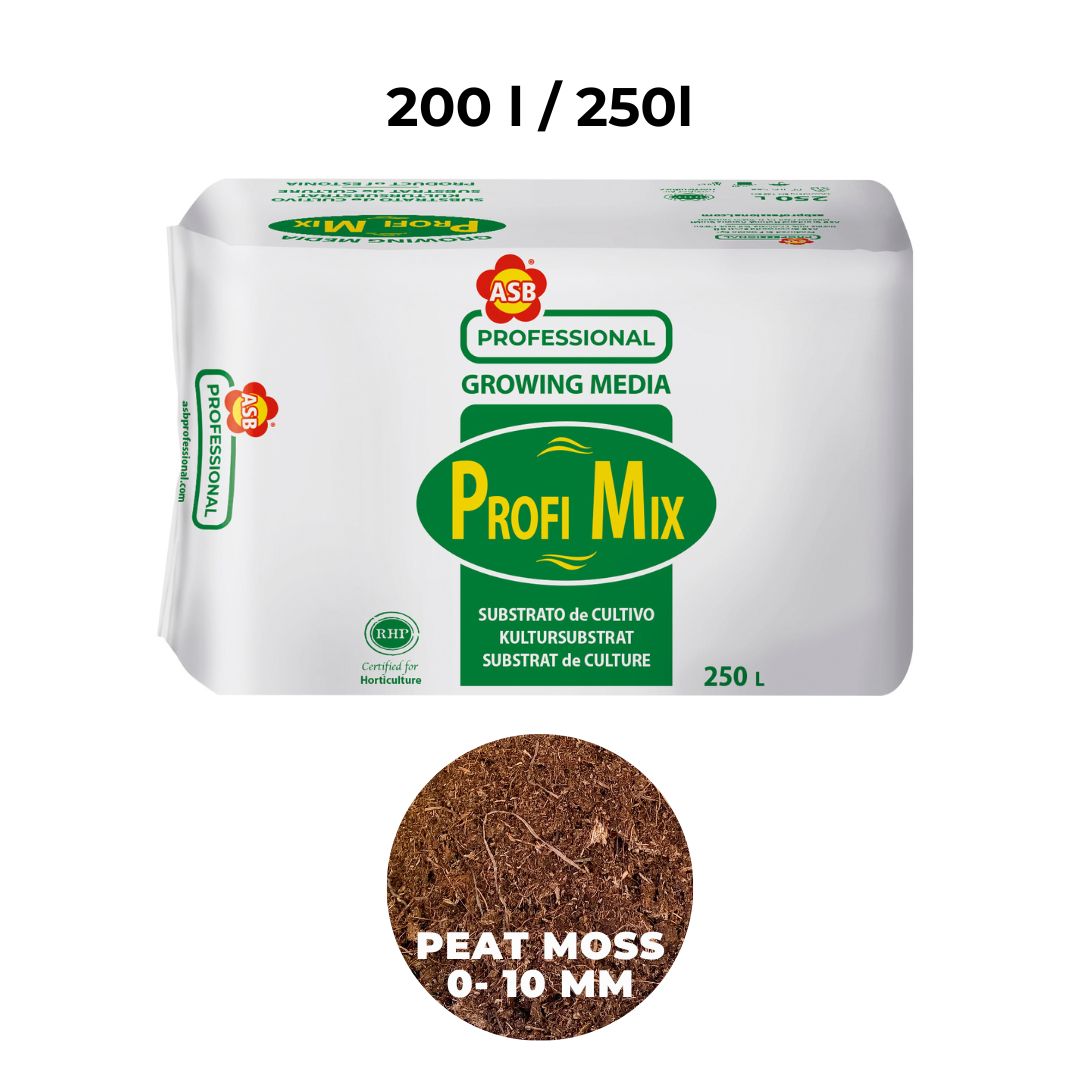
ASB Professional Substrate WP010
A fine raw-material reference for young plant work, seedling mixes and refined custom programmes.
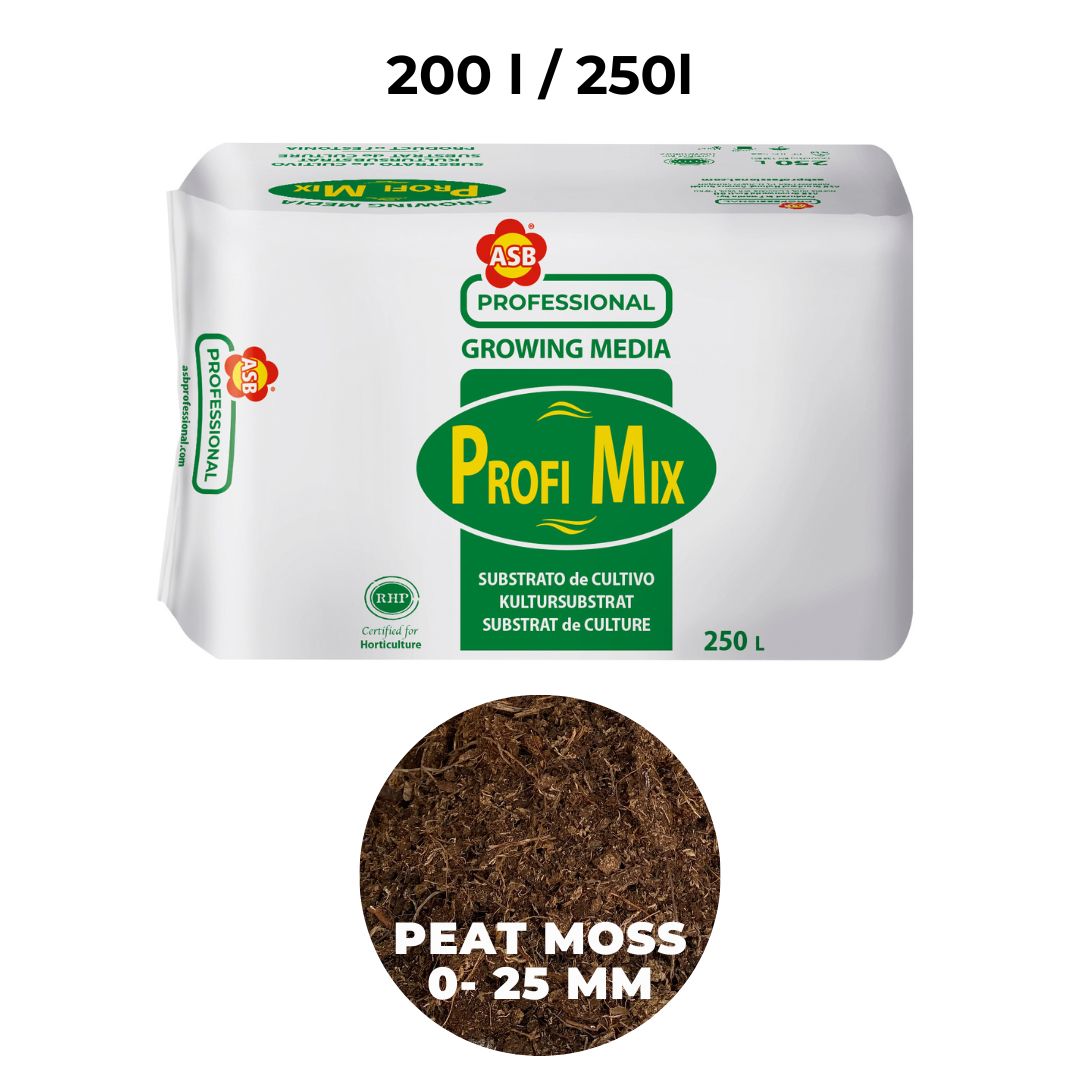
ASB Professional Substrate WP025
A medium raw peat option for broader custom substrate formulation.
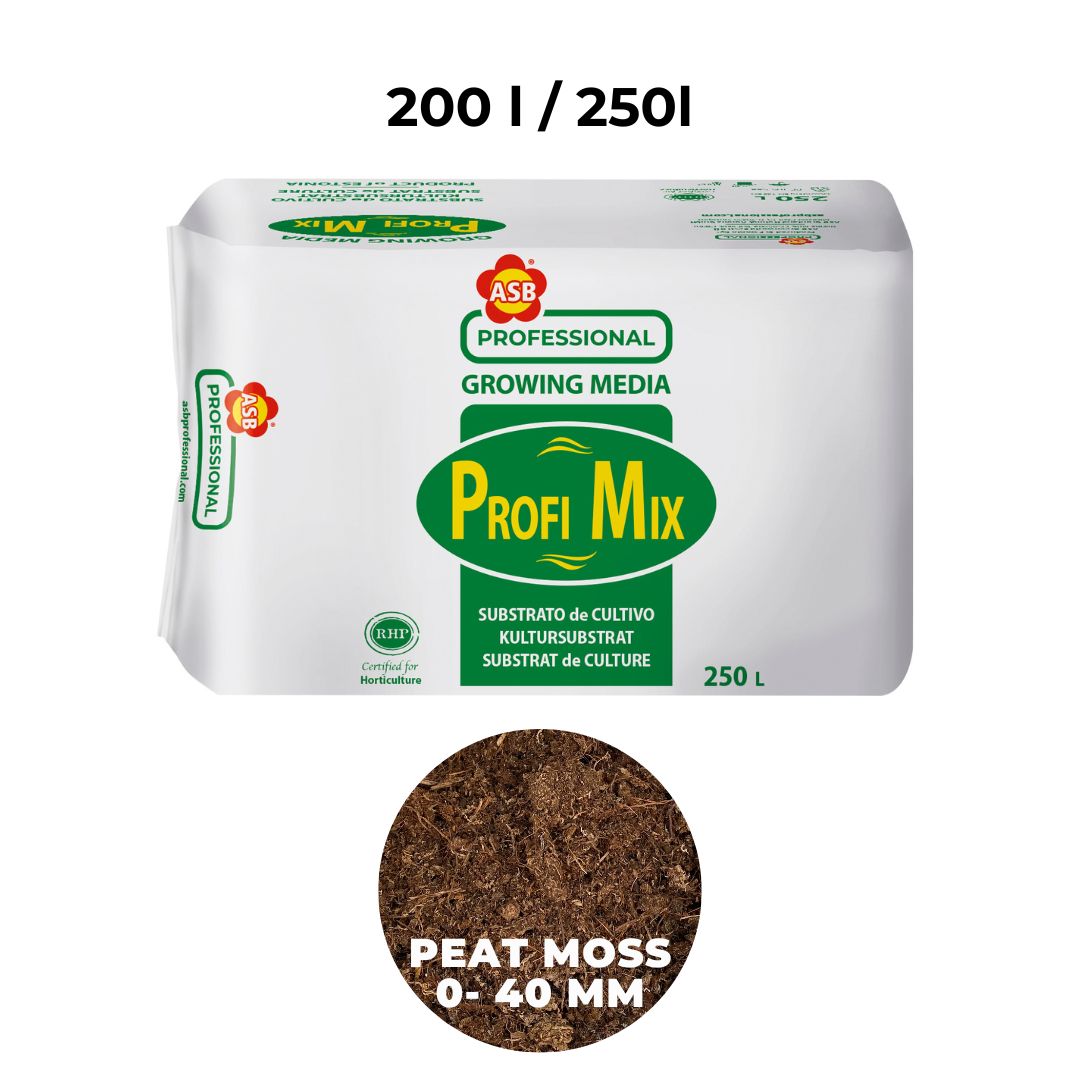
ASB Professional Substrate WP040
A coarser raw-material option for custom blends that need stronger structure and drainage.
Four ASB raw peat fractions at a glance
| Criteria | ASB raw peat fraction | What the buyer should define |
|---|---|---|
| 0-5 mm (WP05) | Fine raw white peat for propagation-oriented blending, acidic crop programmes and mixes that need tighter particle-size control. | Tray or cell format, filling behaviour, first wetting, locally added components and the crop stage. |
| 0-10 mm (WP010) | Fine white peat for young plant work, seedling mixes and custom programmes that need a refined raw material. | Whether the crop, container and filling line need a broader fine fraction than 0-5 mm. |
| 0-25 mm (WP025) | Medium raw peat for broader general-purpose custom substrate formulation. | The local composition, container size, drainage target and handling requirement. |
| 0-40 mm (WP040) | Coarser raw white peat for blends that need stronger structure, drainage and a more open root-zone structure. | Container size, crop duration, inclusion rate in the final composition and irrigation routine. |
FAQ
What does a 0-10 mm peat moss fraction mean?
It identifies the screened structural range of a raw peat material. It is useful for defining a starting point for local blending, but it is not a complete finished-growing-medium specification, and it says nothing about decomposition level or colour, which are confirmed separately. Confirm the current product specification, decomposition grade, intended use and trial conditions with the supplier.
Is 0-5 mm peat moss always the right choice for propagation?
No. Fine raw peat is often relevant for propagation-oriented blending, but the right choice also depends on the tray or cell format, filling equipment, seed or cutting programme, irrigation routine and the other components in the finished mix.
When might a 0-40 mm raw peat fraction be considered?
A 0-40 mm raw white peat fraction may be considered when a custom blend needs a coarser structural starting point, stronger drainage or a more open root-zone structure. Its role still depends on the finished composition, container and crop cycle.
Does peat moss fraction define pH or EC?
No. Fraction describes structure. Decomposition level has more bearing on baseline chemistry than fraction does, since more humified peat generally carries a higher cation exchange capacity. Raw white peat products in the ASB range are listed at a natural pH of 3.5-4.2, but the final pH and EC of a finished growing medium depend on pH correction, fertilizer, water quality, added components and the agreed measurement method.
Can a buyer compare 0-10 and 0-25 mm peat on price alone?
No. The comparison should account for the intended local recipe, crop, container, filling process, irrigation routine, current specification — including decomposition grade and colour, which can vary independently of price and fraction — packaging and the management outcome the finished composition needs to achieve.
What should a substrate blender provide when requesting a raw peat quote?
Provide the requested fraction, intended use, crop or customer segment, local components, required volume, packaging format, destination, delivery period, documentation needs and whether a trial quantity is required.
Need to compare raw peat fractions for a local recipe?
Share the target crop, container, local composition, filling process, irrigation routine, requested fraction, volume and destination. The ASB Professional team can help structure a raw-peat discussion before a trial or larger order.
ASB Professional Editorial Team