Baltic peat moss is often discussed as a raw material. Professional growers and substrate buyers still need to understand how origin, structure, screening, blending, pH direction, and processing shape the final growing medium.
- Baltic peat moss is a base material, not automatically a finished growing medium.
- Structure, fraction, moisture condition, and processing affect how peat behaves in propagation, potting, berry, mushroom, and organic programs.
- Estonian peat moss can support professional peat substrates when it is screened, blended, adjusted, packaged, and matched to the crop program.
- The same peat source can serve different outcomes depending on whether it becomes a seedling mix, organic mix, blueberry substrate, mushroom peat product, potting mix, or raw material.
- The practical question is not only where peat moss comes from, but how it is processed into a repeatable professional growing media program.
Why Baltic peat moss is not just an origin label:
Baltic peat moss is often introduced as a raw material from a known peat region. That is useful, but it is not enough for a professional growing media decision. In commercial production, the buyer is not only asking where the peat comes from. The buyer is asking how that peat will influence water retention, air capacity, crop uniformity, and behavior after screening, blending, packaging, storage, filling, irrigation, and crop use.
That difference matters for growers, substrate blenders, distributors, and procurement teams. A growing medium can look consistent on a product sheet and still behave differently if structure, moisture condition, fraction, pH direction, or logistics are not understood before the program starts.
This article explains Baltic peat moss from the operational side. It shows how Estonian peat moss becomes a professional peat substrate, where it fits inside the ASB Professional Worldwide range, and which decisions make the difference between a raw material description and a reliable growing media program.
For an Estonia-specific view of how raw peat can be supplied for local blending or prepared as a finished growing medium, read Estonian Peat Moss: From Raw Material to Professional Growing Media.
From bog origin to production behavior:
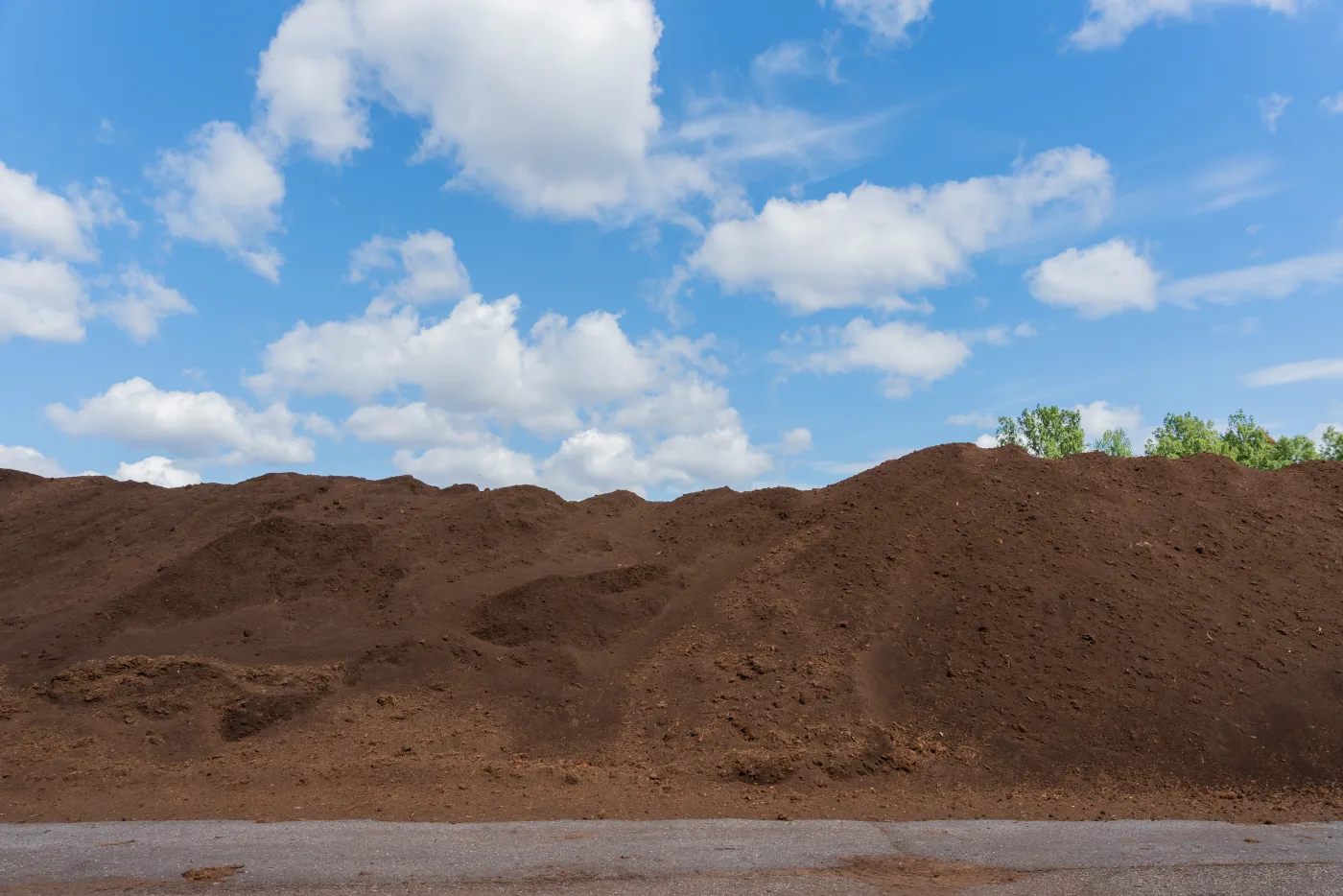
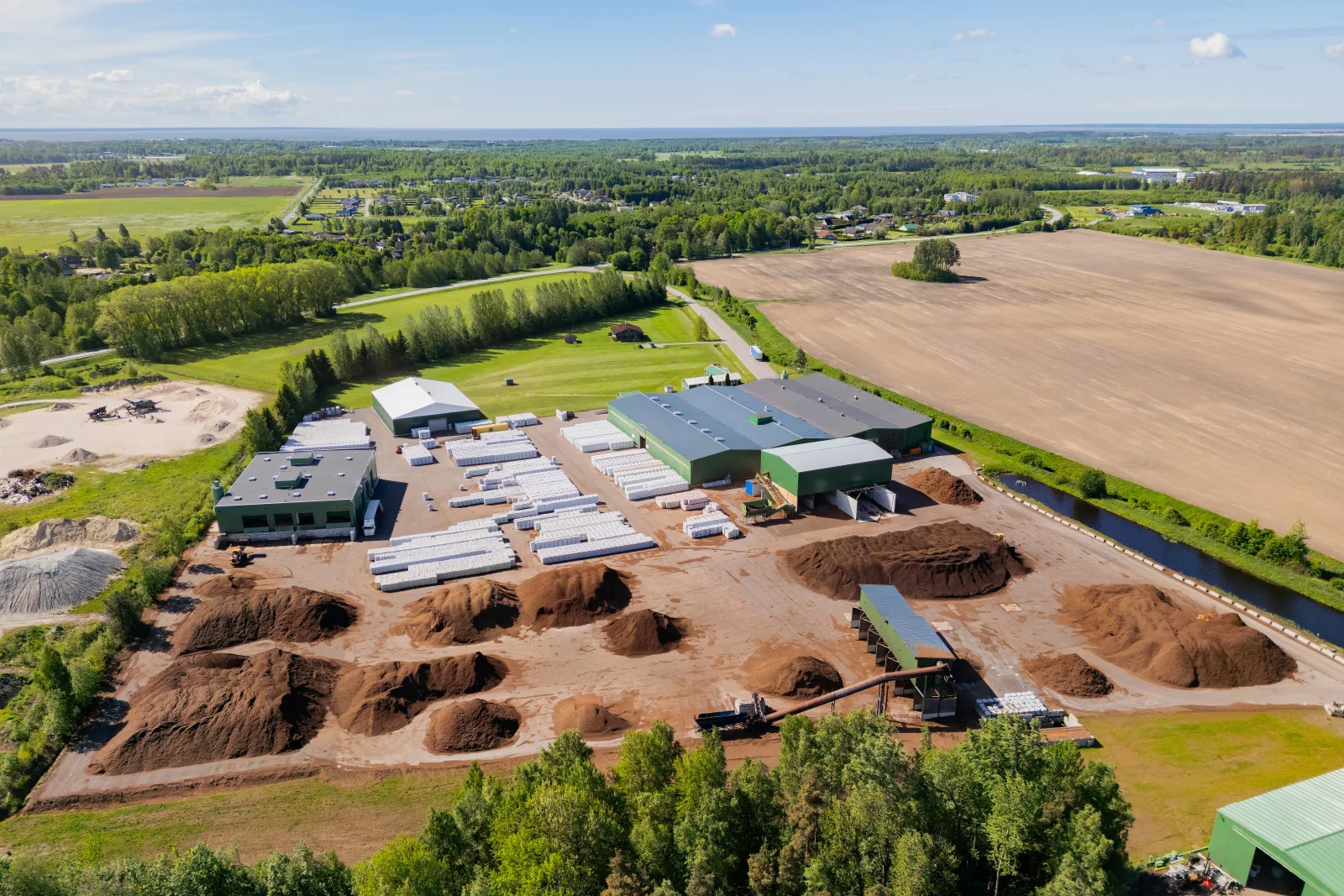
Origin is the first layer of the story. Baltic peat moss and Estonian peat moss can provide a strong base for professional peat substrates, but the final product is shaped by what happens after extraction and preparation.
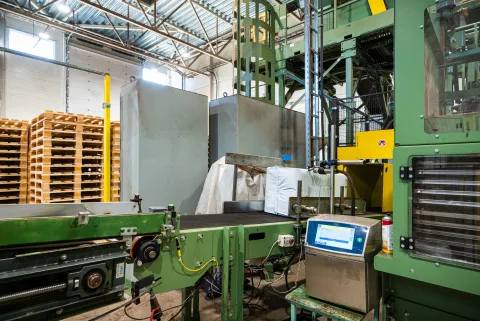
Screening controls the fraction. Blending adjusts structure. Moisture management affects handling. pH direction and nutrition planning influence crop fit. Packaging and storage affect how the product arrives at the grower, distributor, or substrate blender.
For a commercial buyer, this means the useful question is not simply, 'Where is this peat from?' A better question is, 'What production behavior is this peat being prepared to support?' For a professional peat moss supplier, that shifts the conversation from origin alone to product direction, processing control, and repeatable crop use.
Three buyer situations where the answer changes:
A propagation grower may need a fine, repeatable seedling mix where tray fill, seed contact, early moisture distribution, and root development are critical. In that case, the value is connected to uniform structure and predictable behavior in young plant production.
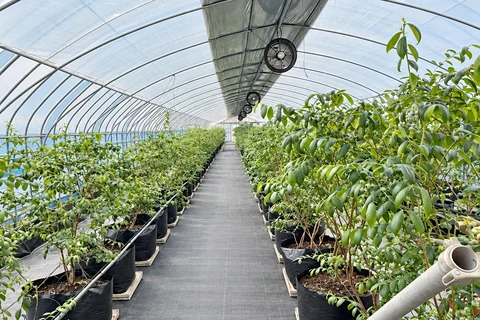
A blueberry or acidic crop program may need a different peat substrate conversation. The focus moves toward pH direction, water behavior, root-zone stability, and whether the growing medium supports the crop over the expected production period.
A substrate blender or distributor may not need a finished crop-specific mix at all. They may need raw peat material, clear documentation, stable packaging, and a reliable export route so they can use the material inside their own formulation or regional supply program. In that case, the need may be closer to bulk peat moss for horticulture than to a finished retail-style substrate.
The same peat origin can support all three situations, but only if the final product direction is clear.
The mistake to avoid: buying a name instead of a specification:
A common mistake in peat substrate purchasing is treating the material name as the full specification. Terms like Baltic peat moss, peat substrates, or growing medium describe a category, but they do not describe enough about performance.
A stronger specification should define:
- structure and fraction
- moisture condition at delivery
- pH direction and crop fit
- whether the material is raw or formulated
- packaging format and storage expectations
- documentation and logistics requirements
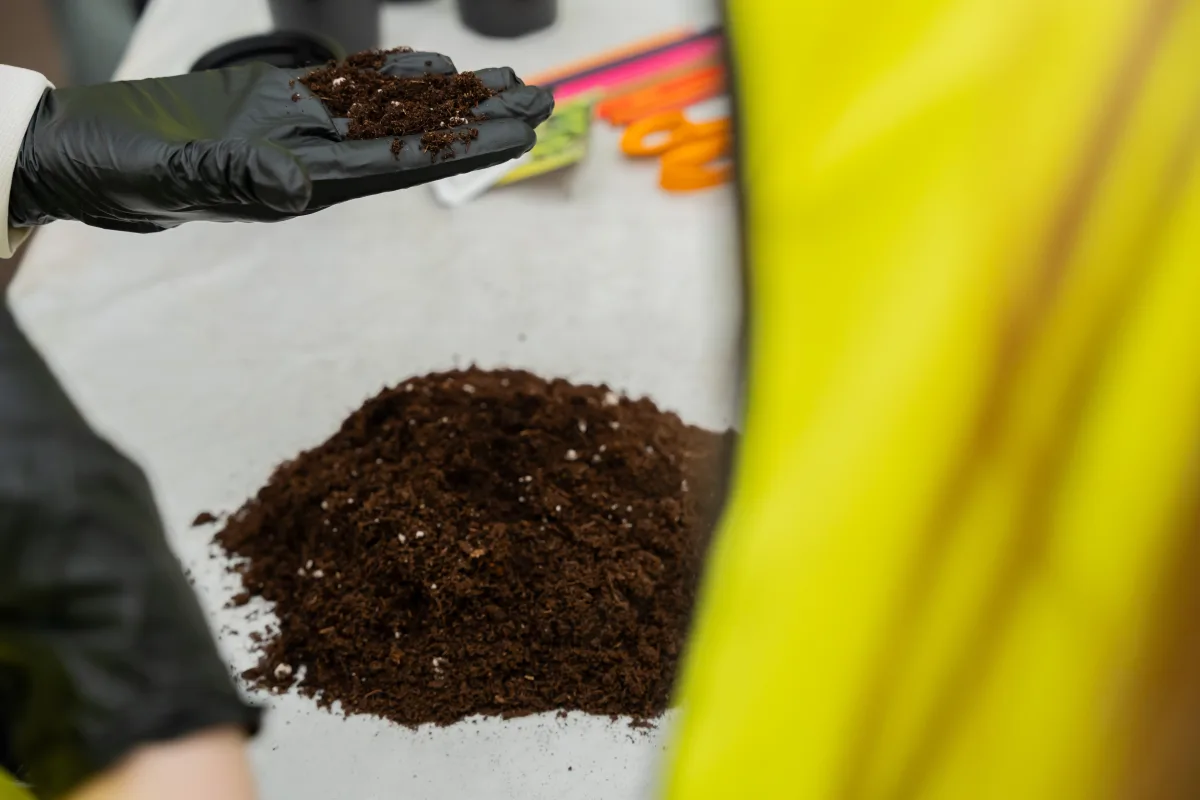
Without those details, two products with similar names can create different results in filling lines, irrigation response, crop uniformity, and storage.
This is especially important for larger operations. A small inconsistency can become a production issue when the same substrate is used across many trays, containers, orders, or truckloads.
A practical pre-season test that gives better answers:
Before scaling a peat substrate into a larger program, professional teams can learn a lot from a controlled pre-season trial.
Start with the intended use case. Test the material in the same tray, pot, irrigation method, filling equipment, and crop timing that will be used in production. Record how the substrate fills, how quickly it wets, and how evenly moisture moves through the profile. Also note how the surface dries, how roots develop, and whether the team needs correction work after irrigation.
For seedling mixes, the trial should pay close attention to emergence uniformity, tray fill, early root contact, and reject rate. For organic mixes, the focus may be crop establishment, irrigation rhythm, and whether the structure supports herbs or leafy greens without creating avoidable stress. For blueberry substrates, pH direction and water behavior need a more specific review. For mushroom farm peat products, handling and fraction behavior are central.
The goal is not to make the trial complicated. The goal is to see whether the growing medium behaves like the specification suggests before the larger purchase is made.
Documentation and logistics are part of the product:
For professional buyers, documentation and logistics are not separate from product quality. They affect whether the material can be planned, received, stored, and used without confusion.
A useful discussion with a supplier should cover product direction, intended use, available packaging, volume planning, delivery windows, export routing, and which technical or commercial contact supports the program. If your team needs help reviewing those points, Contact us. This is where a professional growing media manufacturer adds value beyond the material itself.
If the product is a finished growing medium, the buyer needs confidence that it is formulated for the crop direction. If the product is raw peat material, the buyer needs clarity that it is being supplied as a base material, not as a ready-to-use substrate. Mixing those two expectations is one of the fastest ways to create problems later.
Where this fits in the ASB Professional Worldwide range:
ASB Professional by ASB Greenworld Eesti OÜ uses Estonian peat moss and Baltic peat moss expertise across several Worldwide product directions.
Seedling mixes are a priority because propagation programs are sensitive to structure, moisture uniformity, tray fill, and early root development. A small change in substrate behavior can show up quickly in emergence, transplant timing, and labor correction.
Organic mixes are also a priority because professional growers need a growing medium that supports crop establishment while fitting lower-input or organic-positioned production. The peat base still needs to be predictable during irrigation and handling.
Growing mixes for blueberries represent a more crop-specific direction, where acidic crop support, water behavior, and pH direction are central. Peat products for mushroom farms show another specialized use, where fraction and handling requirements differ from standard potting or propagation work.
Raw peat materials remain important, but they should be understood as a different type of purchase. They are most relevant for substrate blenders and buyers who control formulation themselves. That is why raw peat should not be confused with a finished professional growing medium. A peat moss supplier for growing media producers should explain whether the material is intended for in-house blending, crop-specific substrates, or a more defined finished growing medium.
Buyer example: when the same origin leads to two different decisions:
Imagine two buyers asking for peat from the same region. One is a young plant grower producing uniform seedlings for commercial transplanting. The other is a substrate blender looking for raw peat as a base material for regional formulas.
The first buyer needs a growing medium direction: fine enough for tray work, consistent enough for emergence, and supported by product guidance. The second buyer needs raw material clarity: fraction, moisture condition, packaging, volume planning, and documentation.
Both buyers may be interested in Estonian peat moss. They should not receive the same answer. The value comes from matching the peat substrate direction to the operational need.
For larger buyers: bulk supply, packaging, and export planning:
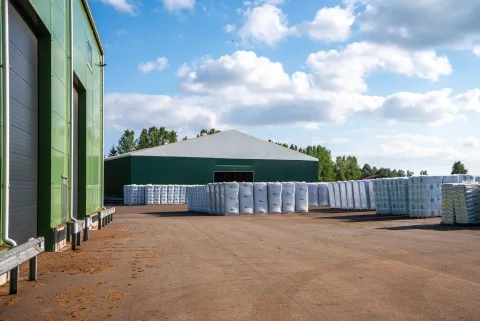
When a larger company evaluates Baltic peat moss, the discussion usually moves beyond the sample itself. Procurement teams need to know whether the supplier can support repeatable volume planning, suitable packaging formats, realistic delivery windows, and export documentation. They also need a clear communication path if technical or logistics questions appear during the season.
This is especially relevant for substrate producers, distributors, and professional growers who buy in larger volumes. A technically suitable peat material can still create operational pressure if packaging does not fit storage, if documents are confirmed too late, or if delivery timing is not aligned with crop planning.
Large buyers should confirm early:
- expected annual or seasonal volume
- packaging format that fits storage and handling
- delivery rhythm and peak-season timing
- export documents and specification files
- technical and commercial contact points
A practical large-buyer conversation should define the product direction first: raw peat for blending, a crop-specific peat substrate, or a finished growing medium. After that, the buyer and supplier can review expected volume, packaging, delivery rhythm, technical contact, and documentation needs before the order becomes urgent. If you want to review those points with the international team, Contact us.
What to ask before committing to a peat substrate program:
Before buying at commercial scale, procurement and production teams should compare the same checklist of practical points. Confirm what peat fraction is needed, whether the material is supplied as raw peat or a finished growing medium, what moisture condition is expected at delivery, which packaging format fits storage and handling, what documents are needed for the market, and who supports technical questions if crop behavior needs to be reviewed.
Before choosing a product, it also helps to check how the material will be tested. Will the team trial it in the same tray, pot, filling line, irrigation rhythm, and crop timing used in production? If not, the purchase decision may look correct on paper while still creating avoidable correction work during the season.
Why it matters for larger buyers:
These questions do not make the purchase slower. They reduce the chance that commercial, logistics, and production teams are using the same product name while expecting different things from the material.
Common mistakes include comparing only origin names, skipping a small production test, treating raw peat as if it were a finished substrate, and confirming documentation only after the delivery plan becomes urgent.
The practical takeaway:
Peat from the Baltic region can be a strong foundation for professional growing media, but it should not be treated as a complete answer by itself. The professional value comes from structure, processing, formulation, crop fit, documentation, packaging, and support.
For growers, that means evaluating the growing medium by how it behaves in production. For distributors, it means understanding how to position the product clearly. For procurement teams, it means buying a repeatable program, not just a regional raw material name.
For ASB Professional, the message is straightforward. Baltic peat moss and Estonian peat moss are most useful when they are connected to real production outcomes, whether that means seedling mixes, organic growing mixes, blueberry substrates, mushroom farm peat products, or raw peat material for professional blending.
Recommended ASB products
These products are commonly evaluated with the strategy covered in this article.
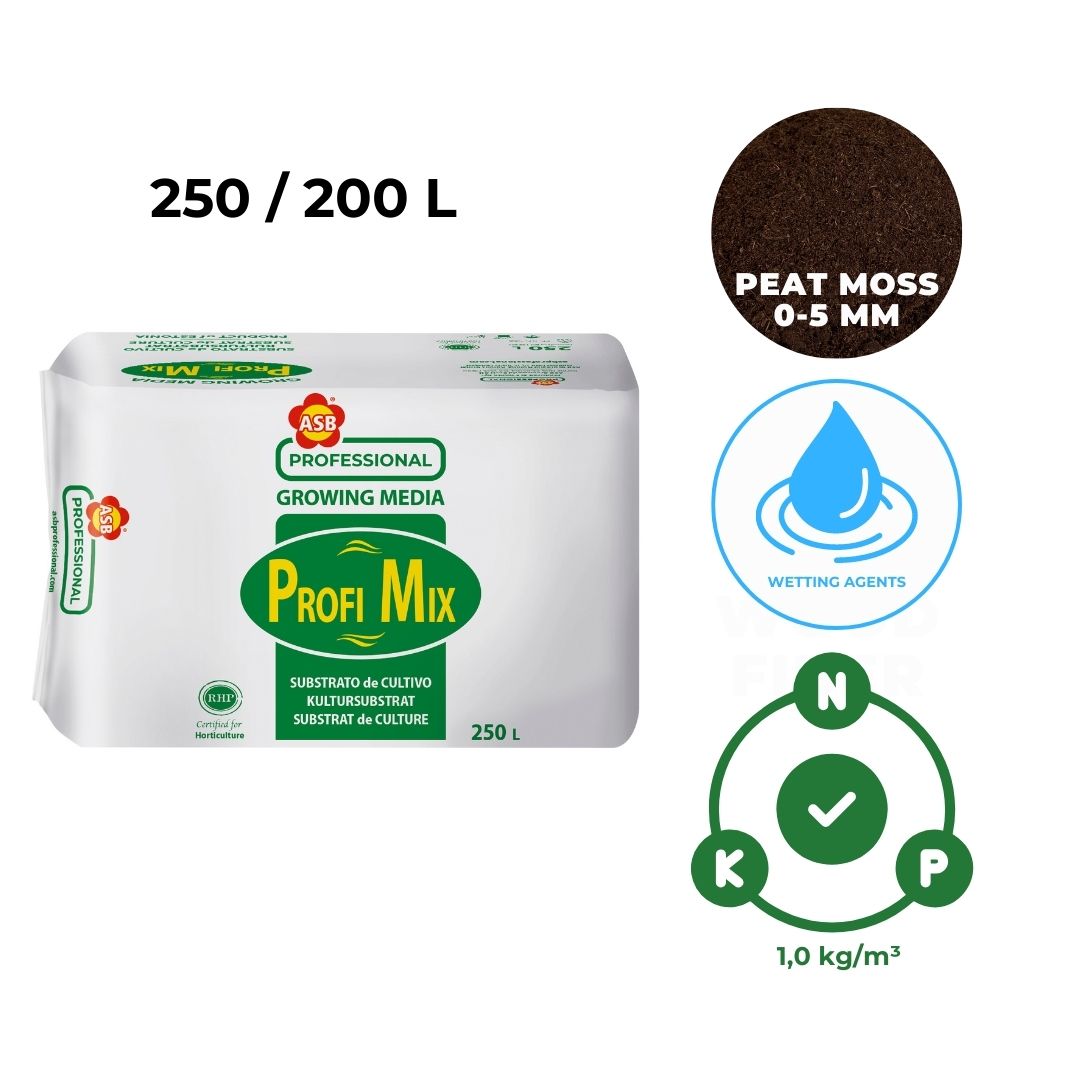
ASB Professional Substrate 0-5 WA NPK
Fine structured Estonian peat-based substrate direction for propagation programs that need uniform tray fill and early moisture control.
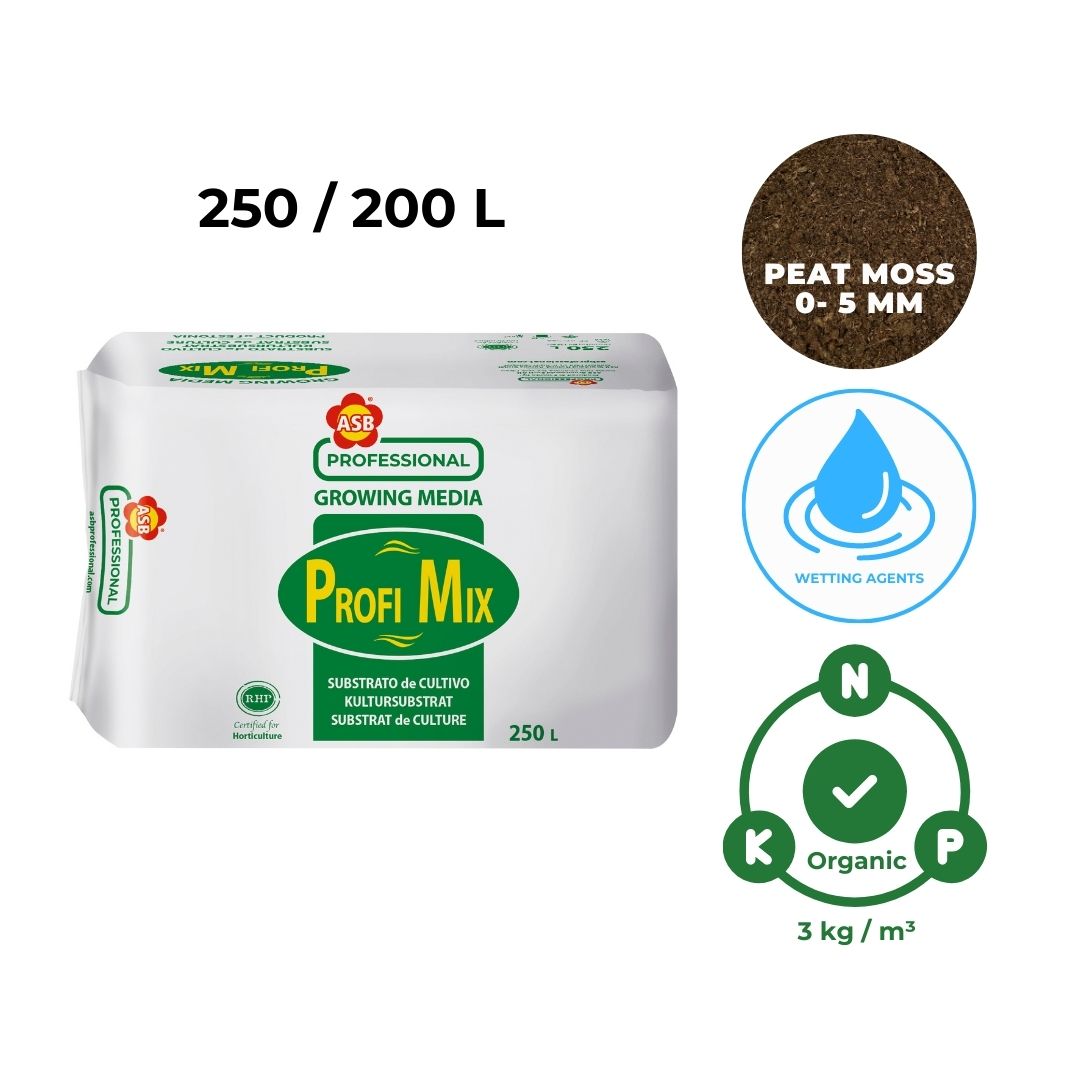
ASB Professional Substrate 05 pH
A Worldwide organic mix direction where peat structure and formulation need to support herbs, leafy greens, and lower-input crop programs.
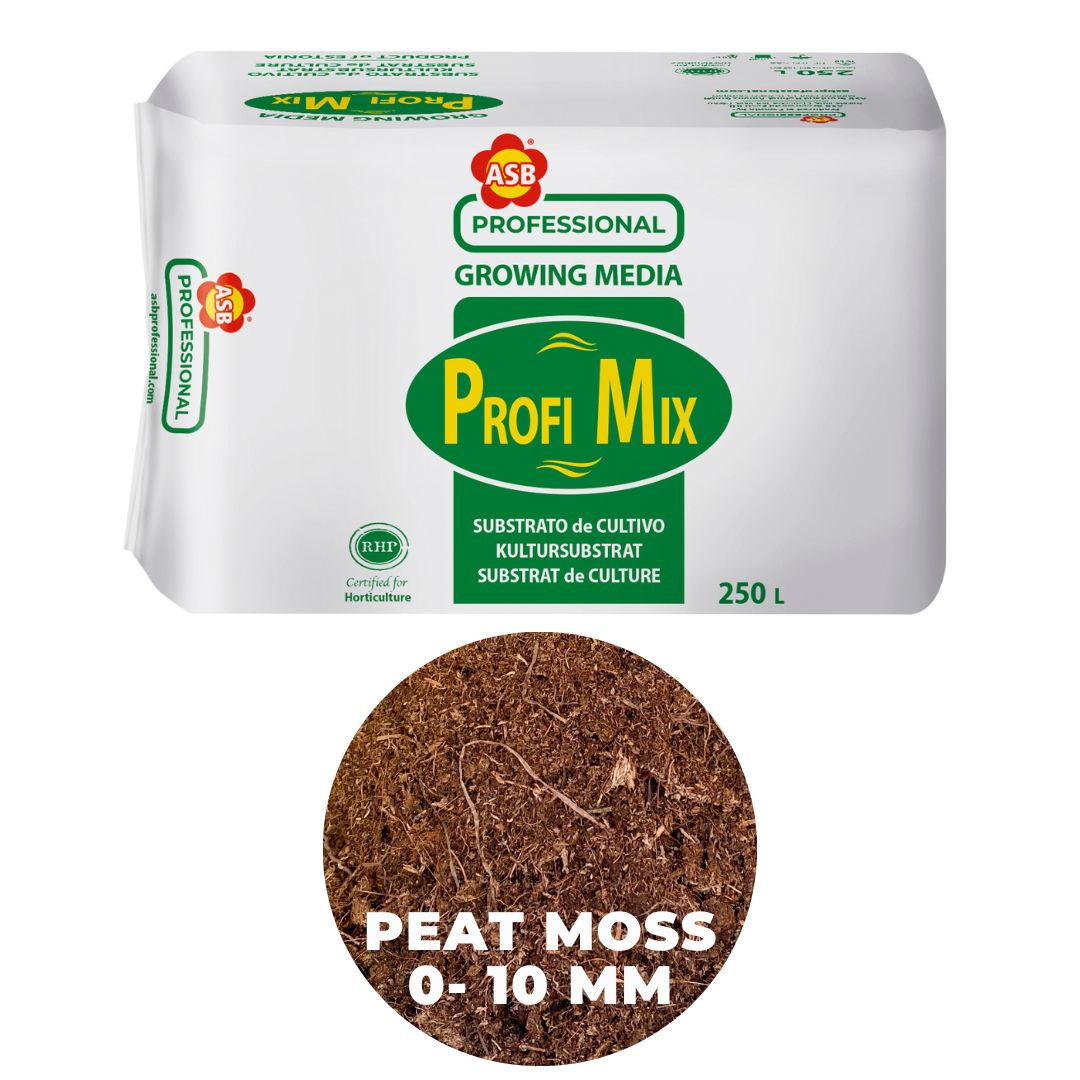
ASB Blueberry Peat Base WP010
A crop-specific peat substrate example for acidic crop programs where structure and pH direction matter.
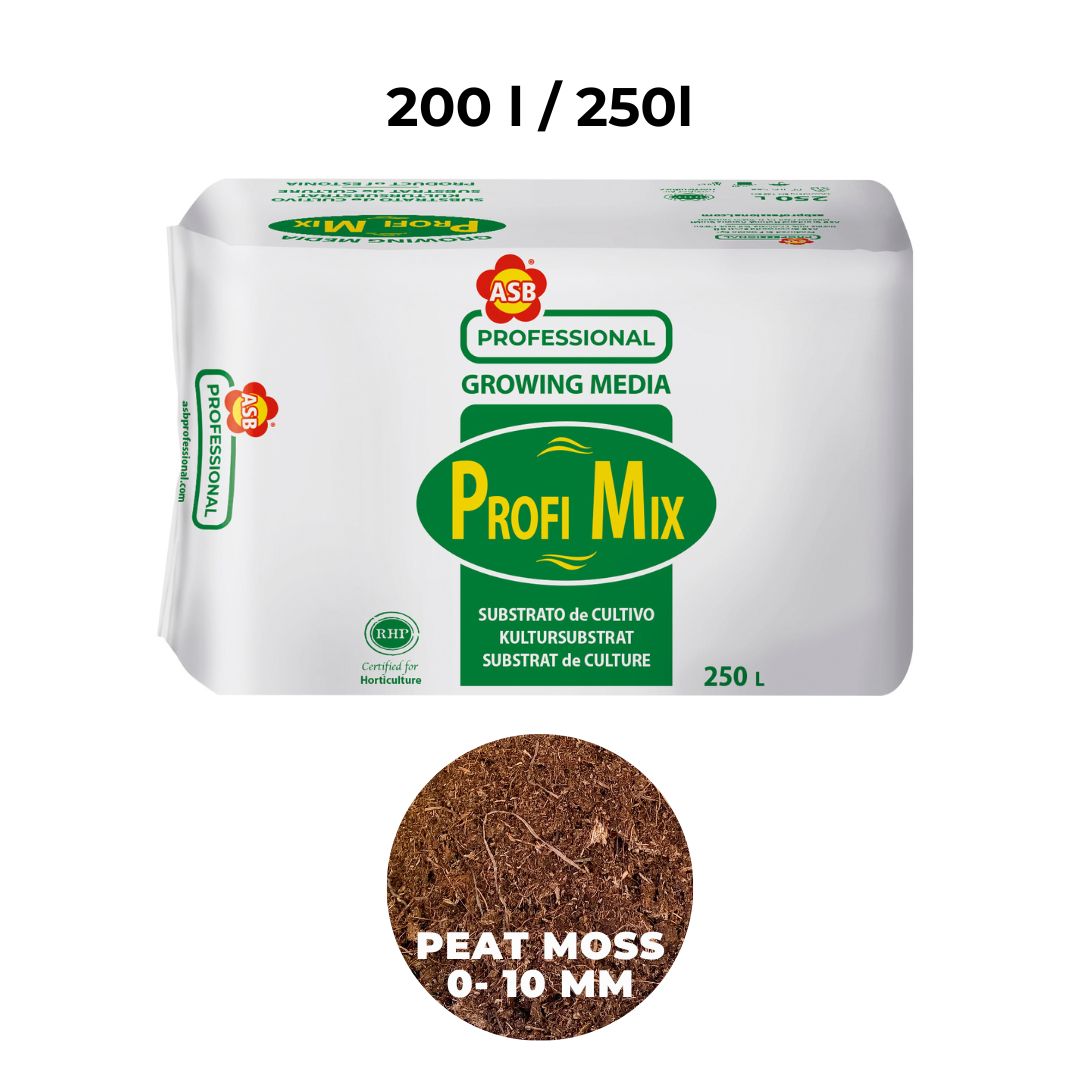
ASB Professional Substrate WP010
A raw peat reference point for substrate blenders and buyers who need a base material rather than a finished mix.
How peat changes across professional use cases
| Criteria | Material question | Why it changes the final substrate |
|---|---|---|
| Fraction and structure | Is the peat fine, medium, coarse, or blended from several fractions? | Structure influences tray fill, water holding, air space, root development, and how the growing medium behaves after irrigation. |
| Processing | Has the peat been screened, mixed, adjusted, or formulated for a specific use? | Processing turns raw peat moss into a substrate direction that can fit propagation, potting, berries, mushroom farms, or organic production. |
| Crop fit | Is the end use seedling work, vegetables, berries, mushrooms, organic crops, or general potting? | The same peat source can support different crop programs only when the formulation matches root-zone needs. |
| Packaging and logistics | Is the material sold as raw peat, a finished substrate, or an export-ready growing medium program? | Professional buyers need packaging and routing that protect product handling, documentation, storage, and repeatable delivery. |
| Bulk supply planning | Can the supplier support volume planning, packaging formats, documents, and delivery windows before the season starts? | Large buyers reduce risk when commercial, technical, and logistics expectations are agreed before ordering at scale. |
FAQ
Is Baltic peat moss good for professional growing media?
Yes. Baltic peat moss can be a strong base for professional growing media when its structure, fraction, moisture condition, pH direction, and formulation are matched to the crop program.
Why is peat moss structure important for growers?
Peat moss structure affects water retention, air capacity, tray or pot filling, root development, and how consistently the growing medium behaves after irrigation.
What is the difference between fine and coarse peat moss?
Fine peat moss is often used where close seed contact, tray fill, and early moisture distribution matter. Coarser peat fractions can support more structure, drainage, and air space in larger containers or longer crop programs.
How does peat moss origin affect substrate quality?
Origin gives useful context, but substrate quality depends on how the peat is selected, screened, blended, conditioned, packaged, and supported for the intended professional growing media use.
Can Baltic peat moss be supplied for bulk horticulture programs?
Bulk supply depends on the required product direction, packaging format, volume planning, documentation, export routing, and seasonal delivery windows. These points should be confirmed before larger commercial commitments.
Discuss Baltic peat moss supply for professional growing media programs
ASB Professional by ASB Greenworld Eesti OÜ supports international buyers with Estonian peat moss, professional peat substrates, crop-specific growing media, volume planning, documentation, and export-focused product guidance.
This article is part of the ASB Professional Blog and highlights topics across events, sustainability, and technical growing media expertise. ASB Greenworld Eesti is listed as a member of the Estonian Peat Association (Eesti Turbaliit).
It helps customers and partners follow company developments, market activity, and product-related topics.
ASB Professional Editorial Team