Peat and perlite growing media should be chosen for a defined production purpose, not because perlite is assumed to improve every crop. Commercial buyers need to compare the complete mix, the crop system, trial results and supply requirements.
- Perlite can create a more open physical structure, but it does not make every peat mix automatically better.
- Peat fraction, perlite grade and rate, compaction, container geometry and irrigation determine the practical result.
- Propagation, greenhouse vegetables and longer-cycle container crops can require different peat-perlite formulations.
- A commercial trial should reproduce the actual crop, container, filling method, irrigation water and fertilizer plan before the program is scaled.
Peat and perlite growing media can be a useful choice when a commercial crop needs a more open root zone. The decision is not simply whether to add perlite. It is whether the complete mix will give the intended crop enough air after irrigation while still providing manageable water availability, uniform filling and reliable production handling.
A peat perlite mix is therefore a production decision, not an ingredient trend. The same blend can behave differently in a shallow propagation tray, a greenhouse vegetable container and a larger nursery pot. Peat fraction, perlite particle size and inclusion rate, compaction, container height, irrigation rhythm and crop duration all affect the result.
What perlite is intended to change:
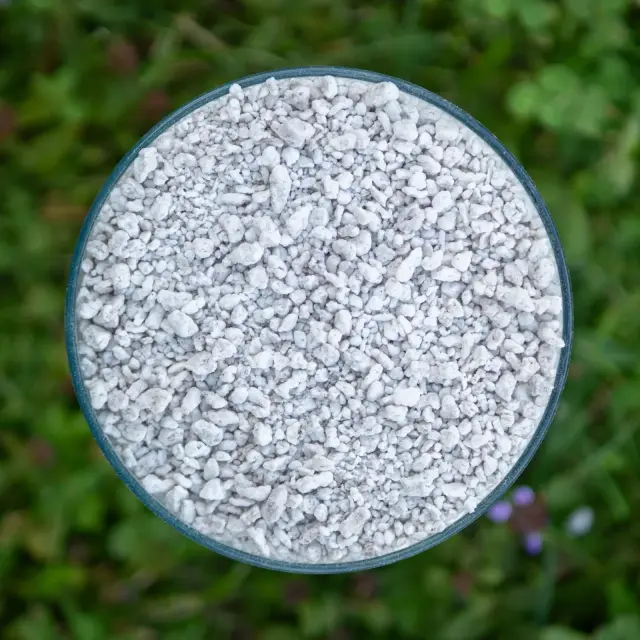
Perlite is a lightweight porous mineral component. In peat-based growing media, it is commonly used to create a more open physical structure and support drainage and air capacity. It can be valuable when the production system needs faster recovery of air-filled pore space after irrigation or a different dry-down pattern.
That description is deliberately specific. Perlite does not automatically make a mix better, and a mix with a high perlite percentage is not automatically a high-performing growing medium. Fine peat can fill larger pores. Dense filling can reduce the effect of a more open composition. A tall container can drain differently from a shallow tray. The composition must be evaluated as a complete root-zone system.
For a wider explanation of how peat structure and other components shape a finished mix, see Peat Substrates for Professional Growing Media.
Start with the production problem, not the ingredient list:
A useful supplier conversation begins with the reason a peat-perlite formulation is being considered. Is the existing mix staying too wet after irrigation? Is the crop losing air space during a long cycle? Does a filling line need a more consistent flow? Does a propagation tray need a fine structure with improved air movement? Or is the buyer developing a local recipe and needs raw peat moss that can be blended with perlite in-house?
Those are different questions. A ready-to-use peat and perlite grower mix may be appropriate for one program. Another may need a raw peat material with a defined fraction so the local blender controls the perlite grade, inclusion rate, nutrition and packaging. Commercial buyers evaluating peat and perlite growing media should compare these options by the work and risk that remain with the buyer, not only by price per volume.
Peat fraction and perlite have to work together:
Peat provides much of the water-holding, buffering and physical foundation in a peat-perlite growing medium. Its fraction influences pore size, filling behaviour, re-wetting and how the mix changes under pressure. Perlite changes the pore system, but its contribution is shaped by the peat around it.
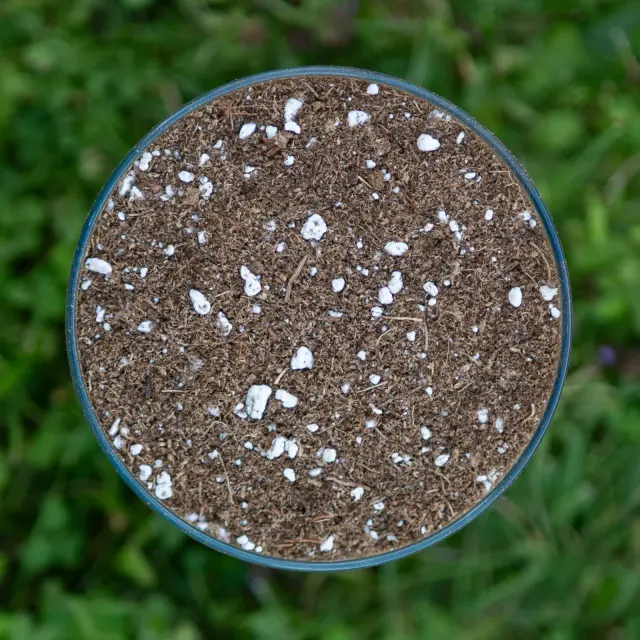
A fine peat and perlite mix can still be suitable for trays and young plants when uniform filling and close root contact are required. A medium or coarser peat fraction may be more relevant when a crop needs greater drainage support or structural stability in a larger container. Neither formulation is automatically superior. The crop, container and irrigation system decide what the mix has to do.
This is also why a product name alone is not enough. Buyers should ask for the declared structure, the intended use, the role of perlite in the composition and relevant physical data where it is available. They should also compare pH and EC only when the test method and sample condition are stated. Peat Moss pH and EC explains the information needed to make those figures comparable. A realistic trial then confirms whether that formulation works under the grower's own water, fertilizer and production routine.
How the decision changes by production scenario:
Propagation and young plants:
Small cells contain a limited root volume and can respond quickly to over-watering, uneven wetting or unsuitable compaction. A peat perlite mix for propagation must balance fine, uniform filling with sufficient air movement and predictable first wetting. The ASB Professional Substrate 0-10 Perlite is a perlite-supported formulation for this type of workflow.
Greenhouse vegetables:
Vegetable transplant and container programs need root-zone behaviour that remains manageable through the production cycle. The practical questions are whether the mix drains consistently, how it responds to the irrigation frequency and water quality, and whether the structure remains suitable as the crop develops. A substrate for vegetables needs to be selected around the crop system, not only around one additive.
Longer-cycle containers and nursery crops:
Larger containers and longer production periods can place more emphasis on structural stability, drainage and oxygen recovery between irrigation events. A more open peat-perlite composition may be worth evaluating, but the trial must also check dry-down, nutrient management and whether the mix is still practical for the available irrigation control.
A buyer snapshot before a commercial trial:
| Question | What to confirm |
|---|---|
| Intended use | Finished growing medium or raw peat for local blending |
| Crop system | Crop, tray or container, production period and irrigation method |
| Physical properties | Peat fraction, perlite role, drainage, air capacity and water behaviour |
| Composition management | pH target, fertilizer plan, wetting support and water quality |
| Commercial supply | Packaging, storage, documentation, trial quantity, volume and delivery window |
Before requesting a quotation or trial material:
- crop and production stage; - tray, pot or container dimensions; - irrigation method, source-water information and fertilizer plan; - whether a finished mix or raw peat for local blending is needed; - required peat fraction plus perlite grade and inclusion rate; - packaging format, target volume, destination and delivery window; - required technical documents and the intended trial method.
A good trial does more than confirm whether plants survive. It should reproduce the actual crop, tray or pot, filling method, irrigation water, fertilizer program and production period. The growing team should record filling behaviour, first wetting, water distribution, drainage, dry-down, root development, crop uniformity, pH and EC direction, and the amount of correction needed during production.
The aim is to compare management effort as well as plant performance. A mix may look acceptable in a short observation but require frequent irrigation corrections, uneven wetting or extra labour at scale. Those operational effects matter when a commercial buyer is planning seasonal volumes.
Common mistakes when comparing peat and perlite grower mixes:
- treating perlite as a universal quality label rather than a component with a defined purpose; - comparing raw peat and a ready-to-use growing medium only by price; - asking for more drainage without defining the crop, container and irrigation system; - ignoring peat fraction, compaction and container height; - scaling a composition before it has been tested with the actual water and fertilizer program; - confirming the composition but not the packaging, documents, delivery timing or repeatability required for the purchase.
For a technical reference on why container media must balance air and water after drainage, see Rutgers University's container-media guidance. The practical implication for buyers is simple: evaluate the finished mix after composition and under the intended production conditions, rather than assuming component percentages predict the result.
Choosing between a finished mix and a local recipe:
A finished peat and perlite growing medium can simplify procurement when the buyer needs a defined crop use, support with composition choices and packaging suited to the operation. Raw peat moss can be more appropriate when a substrate producer or large grower has local blending capability and needs control over the final recipe.
Both models can be valid. The critical point is to define responsibility clearly. Who controls the perlite specification? Who adjusts pH and nutrition? Who verifies the finished physical properties? Who manages trial results and batch consistency? The answers should be clear before a larger purchase commitment.
For buyers who need a more general framework before choosing a product level, read Growing Medium for Professional Growers.
Practical conclusion:
Peat and perlite growing media are most useful when they are selected to solve a real production requirement: air capacity after irrigation, drainage, structural stability, filling behaviour or a defined crop-management objective. Perlite is one part of the solution. The finished mix, real container, water and crop program determine whether it works commercially.
Contact the international team with the crop, container, irrigation method, expected volume, packaging preference and destination to discuss a suitable product option or raw peat moss for a local recipe.
Recommended ASB products
These products are commonly evaluated with the strategy covered in this article.
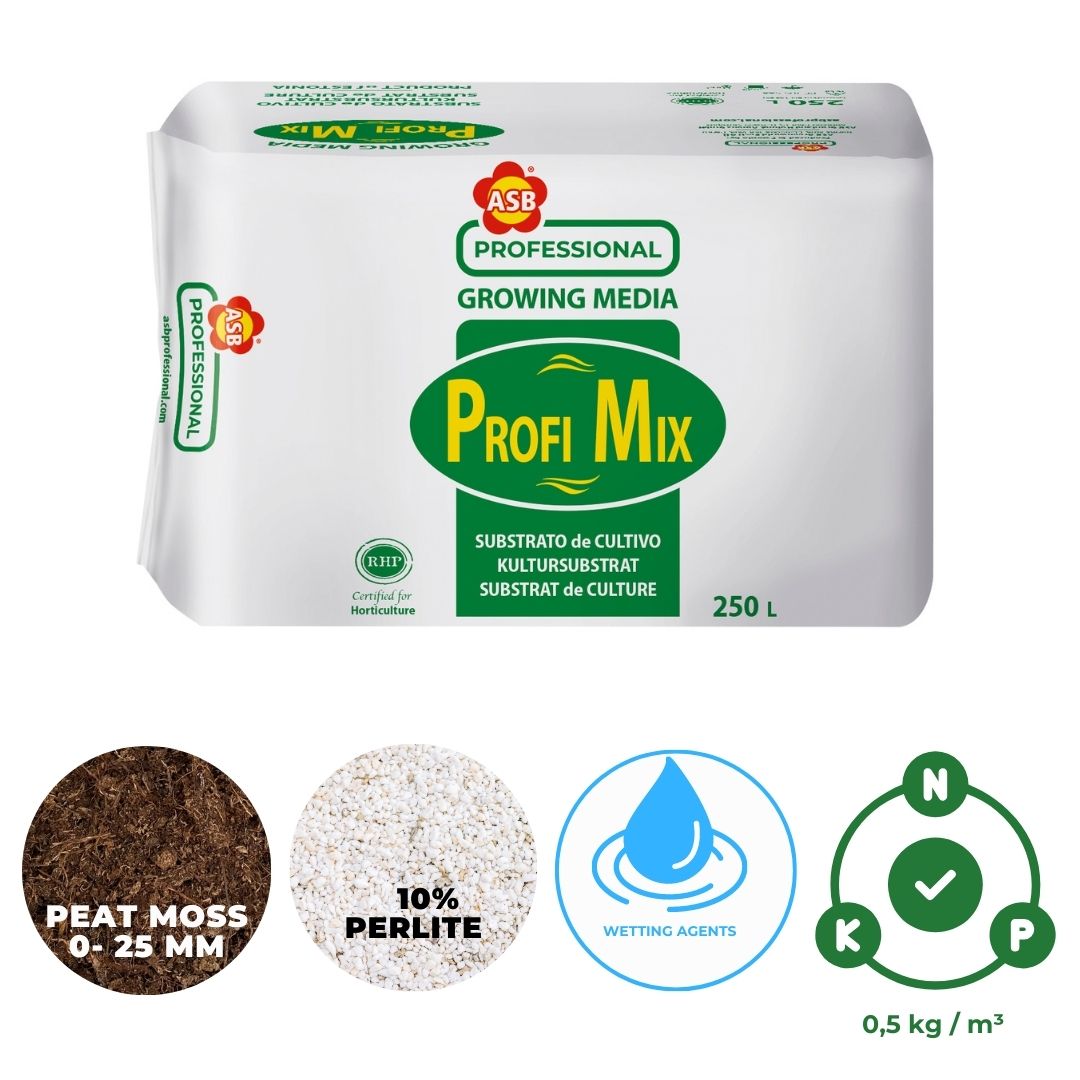
ASB Professional Substrate Mix 0-25 Perlite
For growers evaluating a peat-based potting-mix option with added perlite support.
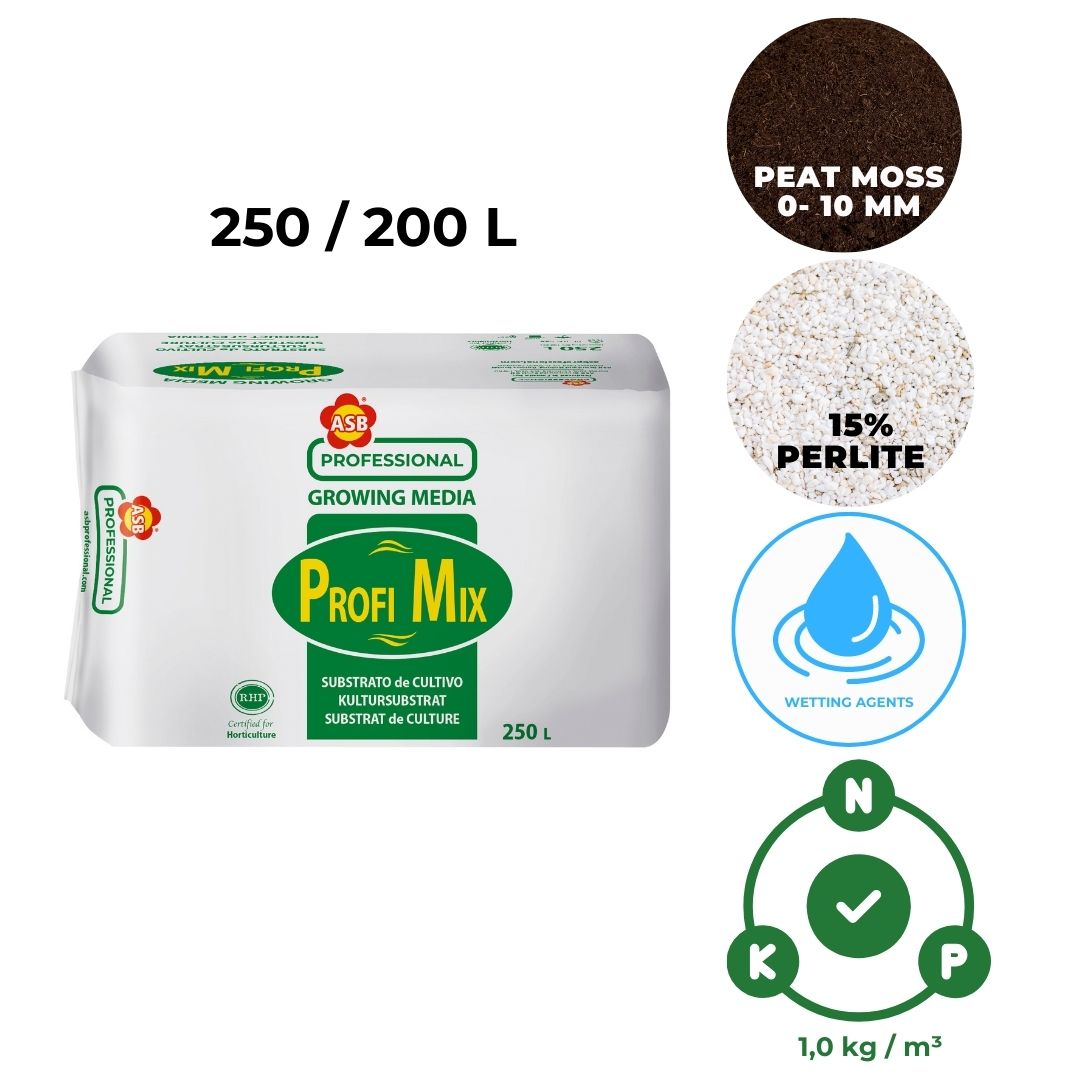
ASB Professional Substrate 0-10 Perlite
For young-plant programs that need a fine structure with added air movement.
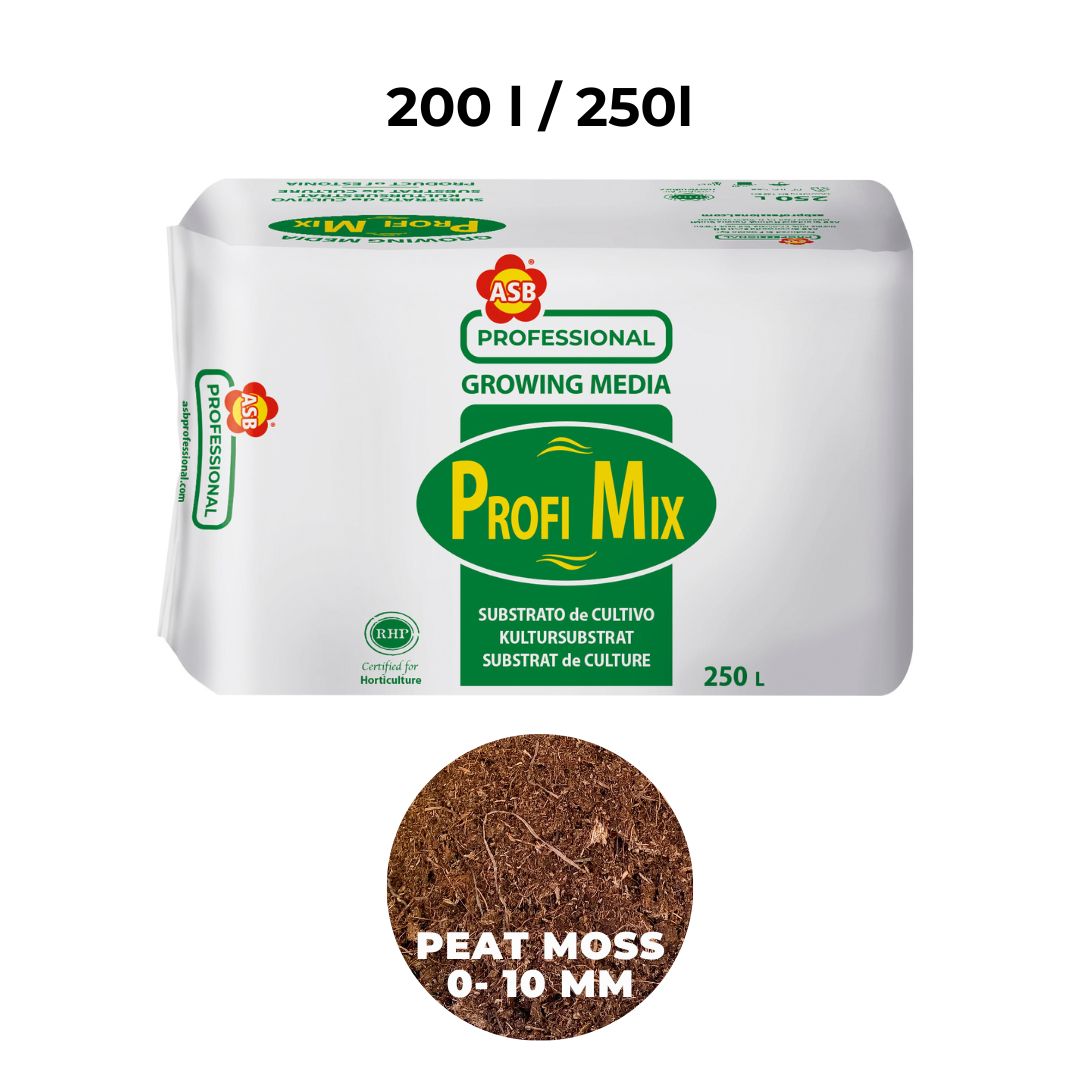
ASB Professional Substrate WP010
For substrate producers and local blenders who need to build and validate their own peat-perlite recipe.
Questions that define a peat-perlite decision
| Criteria | What to confirm | Why it matters |
|---|---|---|
| Production problem | Slow drainage, limited air after irrigation, uneven wetting, or a need for more stable structure. | Perlite should solve a defined root-zone or handling requirement, not be added by default. |
| Crop and container | Propagation tray, vegetable transplant, nursery pot, or longer-cycle container crop. | The same mix can hold a different air-water balance in different container heights and root volumes. |
| Composition details | Peat fraction, perlite particle size and inclusion rate, pH direction and nutrition plan. | The complete composition determines behaviour; the word perlite alone does not describe performance. |
| Commercial fit | Packaging, trial quantity, documentation, target volume and delivery window. | A suitable composition still needs to arrive in usable condition and be repeatable at program scale. |
FAQ
Why is perlite added to peat growing media?
Perlite is a lightweight porous mineral component that can help create a more open structure and support drainage and air capacity. The actual result depends on the peat fraction, perlite size and rate, compaction, container and irrigation program.
Does more perlite always mean better drainage?
No. More perlite changes the composition, but it does not remove the need to assess water availability, container geometry, filling density and irrigation timing. The best rate is the rate that supports the intended crop system.
Is a peat perlite mix suitable for propagation?
It can be. Propagation requires fine and uniform structure, predictable wetting and sufficient air around small root volumes. A propagation mix should be trialled in the actual tray and crop before larger volumes are ordered.
What should a commercial buyer ask for before selecting a peat and perlite mix?
Confirm the intended crop and container, peat fraction, perlite grade and inclusion rate, pH and nutrition plan, moisture and packaging, relevant physical data, documentation, trial method, expected volume and delivery timing.
Can growers blend peat and perlite locally?
Yes, when they have an appropriate raw-material specification, equipment and quality-control process. The buyer should still validate the finished local recipe under real production conditions.
Need to discuss a peat and perlite growing-media option?
Share the crop, container, irrigation method, expected volume, packaging preference and destination. The ASB Professional team can discuss whether a finished mix or raw peat moss for a local recipe is the better starting point.
This article is part of the ASB Professional Blog and highlights topics across events, sustainability, and technical growing media expertise. ASB Greenworld Eesti is listed as a member of the Estonian Peat Association (Eesti Turbaliit).
It helps customers and partners follow company developments, market activity, and product-related topics.
ASB Professional Editorial Team