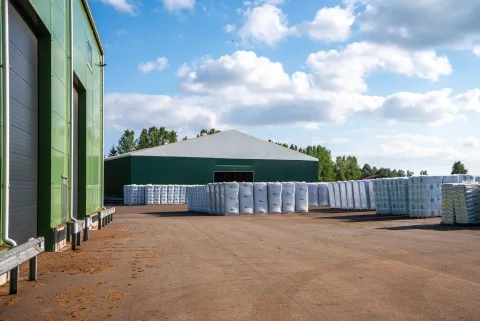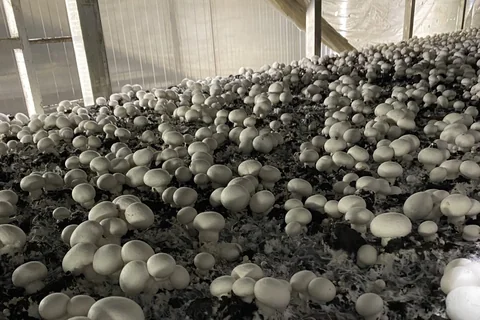
Growing media batch consistency means keeping the supplied product within agreed tolerances through controlled sourcing, screening, formulation and testing. Buyers can verify repeatability through the product specification, comparable test methods, delivery identification and records from successive deliveries. ASB Greenworld Eesti OÜ's peat bog, raw materials and end products are certified under RHP Horticulture.
- Peat is a natural raw material, so some variation in decomposition, colour and moisture between harvests is expected, not a defect.
- Consistency means keeping the supplied product inside agreed tolerances and suitable for the same intended use. It is achieved through controlled sourcing, screening, formulation and testing, not by expecting a natural raw material to be literally identical.
- pH and EC figures are comparable only when the test method, extraction solution and ratio are also comparable.
- A product specification, batch or lot identification and consistent receiving checks are complementary forms of evidence; together they show that what arrives matches what was ordered.
- Repeatability is demonstrated over time. A supplier's track record across many deliveries, backed by independent certification, says more than any single sample.
- Before ordering, agree the product specification, which properties are reported per batch or at another defined frequency, and how any query about a delivery is confirmed.
Growing media batch consistency comes down to a practical buyer question: if I order this product again in three months, will it behave the same way in my trays, irrigation system and crop as it does today? Peat is a natural material, so some variation in the raw input is unavoidable. What makes the difference is how the supplier controls it. A professional producer builds that control into every stage, from bog to finished product.
Raw peat forms over long periods in a bog, and it varies by depth, degree of decomposition, moisture at harvest and season. A layer harvested from one part of a bog can behave differently from a layer harvested a season later, even within the same production site. This is not a defect in the material. It is the nature of a natural raw input, and it is exactly why "consistency" has to be built into the production process rather than assumed from the source.
What natural variation actually looks like:
Decomposition grade affects how peat holds and releases water and how much structure it retains under handling. Moisture at harvest affects weight, bulk density and how much water a buyer needs to add to reach a target. Fraction, meaning the particle-size distribution after screening, affects fill behaviour, drainage and air space. None of these are fixed properties of "peat" as a generic material. They need to be controlled against the relevant product specification rather than assumed from a product name.
The checkpoints that keep quality consistent:
Fraction or structure. A particle-size range in millimetres is useful for screened peat products, while a finished growing medium may also need an agreed physical-performance specification. Terms such as "fine" and "coarse" are not enough unless both sides understand the range and tolerance behind them.
pH and EC. Both depend on sample preparation, extraction solution and extraction ratio. Results measured in water and in a salt solution, or at different ratios, should not be treated as directly interchangeable. The same stated method is needed for a meaningful delivery-to-delivery comparison.
Moisture. Delivered moisture affects handling and how much water must be added to reach a target. Whether it is a purchasing control and how often it is reported should be defined for the specific product.
Bulk density. This can affect mixer or hopper loading, handling and volume calculations. Its relevance and test condition depend on whether the buyer is receiving raw peat, a compressed product or a finished growing medium.
Recipe and additions. For a finished mix, consistency also depends on controlled, dosed additions such as lime, fertiliser, wetting agent, perlite or wood fibre. The relevant reference is the agreed finished-product specification, not only the peat fraction.
How consistency is secured: control, not elimination:
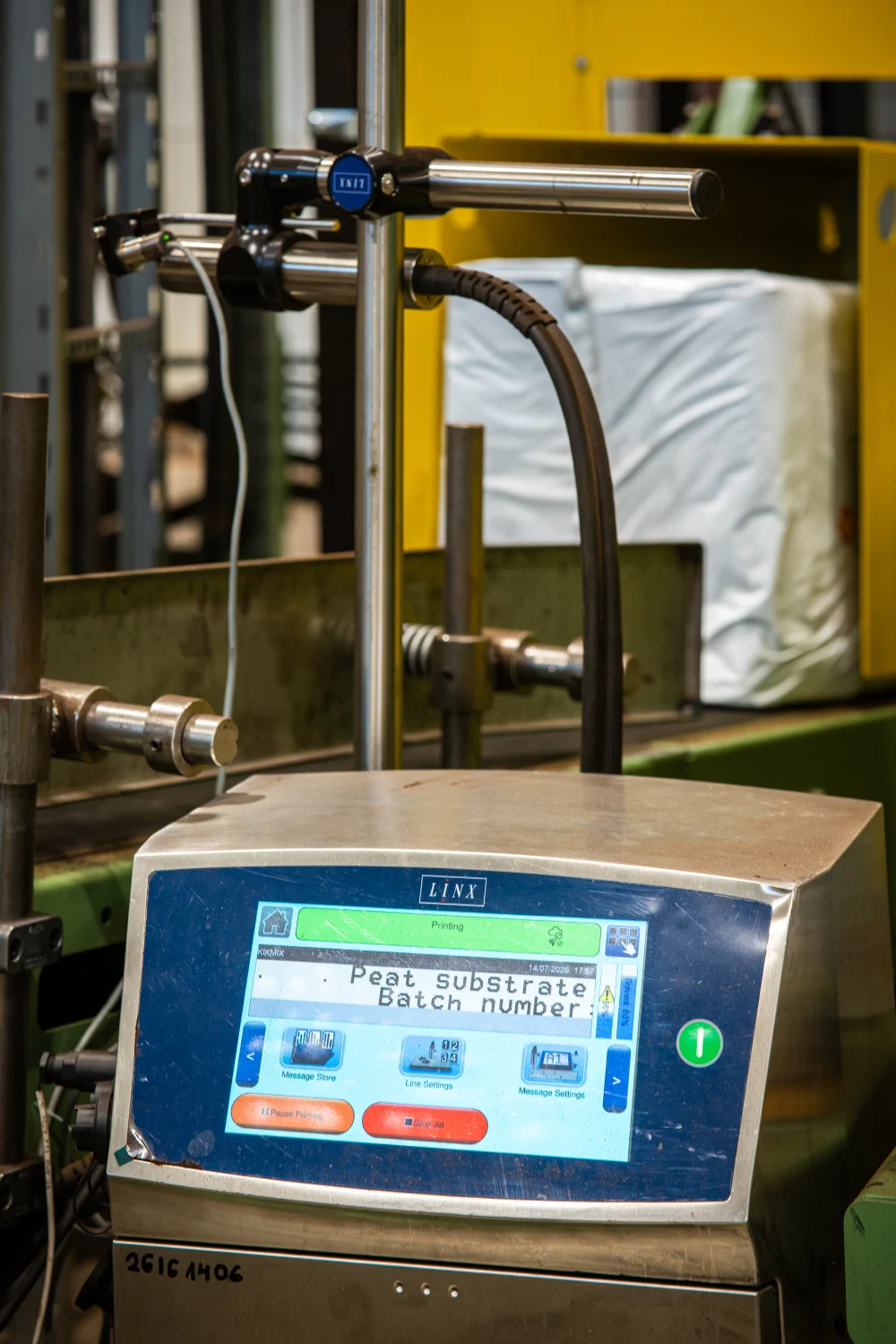
A professional process does not make natural peat identical; it keeps the supplied product inside agreed tolerances. That is done through defined sourcing, screening to stated fractions, controlled formulation and routine quality checks. For the buyer, the useful questions are what the product specification promises, what the producer checks and how often, and what identifies the individual delivery.
How ASB Professional secures consistent quality:
ASB Greenworld Eesti OÜ controls the chain from its peat bog to the finished product. RHP reports that the company has been certified since 2004 and that its peat bog, raw materials and end products are certified under RHP Horticulture. RHP certification is built on a quality-management system, independent audits, product inspections and random sampling and analysis of certified raw materials and growing media.
For a buyer, this means the consistency of ASB products is supported by independent checks from bog to end product, and has been for more than two decades. ASB products are screened to stated fractions and produced to defined product specifications within that framework.

Why consistency is proven over time:
A single delivery shows what a supplier can produce once. A crop programme, an irrigation routine and a filling line are all tuned to a specific material behaviour. What matters commercially is that the next delivery matches the last one closely enough that nothing downstream needs to change. That is demonstrated across many deliveries, which is why a long production track record and continuous independent certification carry real weight.
Buyers can confirm this in their own system with a simple receiving routine. Identify the product and batch or lot, sample the same way and use the same laboratory method. Note filling behaviour, first wetting, irrigation response, drainage and crop uniformity. Records kept over successive deliveries build evidence specific to the buyer's own operation, alongside the supplier's specification and certification.
When a receiving result looks unexpected:
One unexpected receiving result does not on its own show that a batch is outside specification. Sampling point, sample preparation and test method all influence the reading. The first step is to confirm the delivery identity and the methods used, then compare like with like, with a representative retest where needed. Agreeing the contact person and confirmation steps in advance keeps the process fast and factual for both sides.
What to ask for before committing to volume:
- The product specification, including the relevant structure or fraction and the method used for pH and EC.
- Which properties are checked per batch, which are monitored at another defined frequency and which results can be supplied with an order.
- How the product and batch or lot are identified on the order and delivery records.
- Which independent certification covers the production chain, and what its scope includes.
- How a query about a delivery is sampled, confirmed and communicated.
For a broader look at what "professional" should mean in a growing media supplier relationship beyond consistency alone, see What Is a Professional Growing Media Supplier?. For how pH and EC methods specifically affect what a specification sheet is telling you, see Peat Moss pH and EC for Commercial Growing Media.
Growing media batch consistency is not proven by one sample or one certificate. It is the result of an agreed specification, a controlled and independently certified production chain, comparable test methods and a track record built delivery after delivery.
Recommended ASB products
These products are commonly evaluated with the strategy covered in this article.
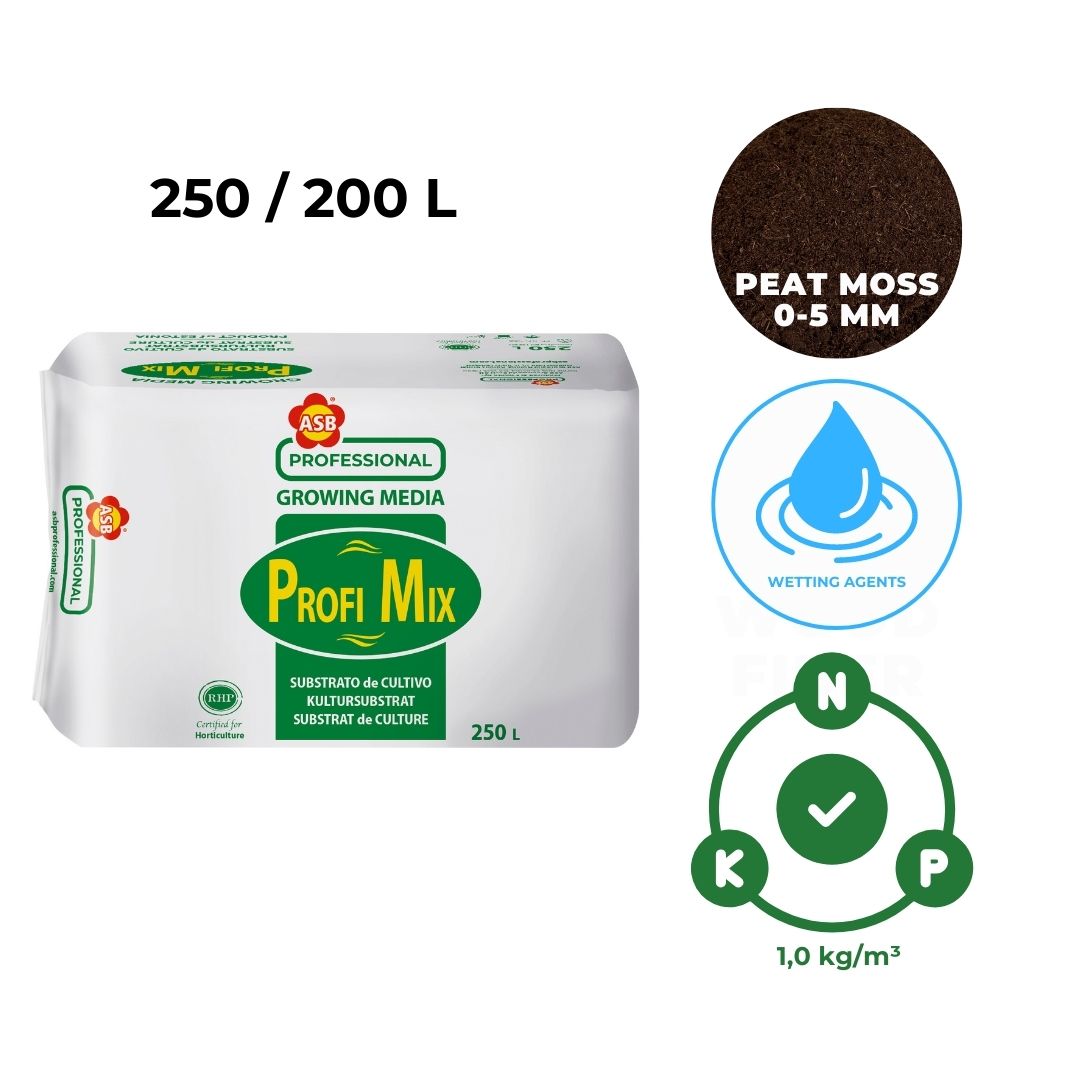
ASB Professional Substrate 0-5 WA NPK
A 0-5 mm propagation substrate with wetting agent, starter nutrient charge and a stated pH of 5.8-6.2, built for uniform tray and plug filling.
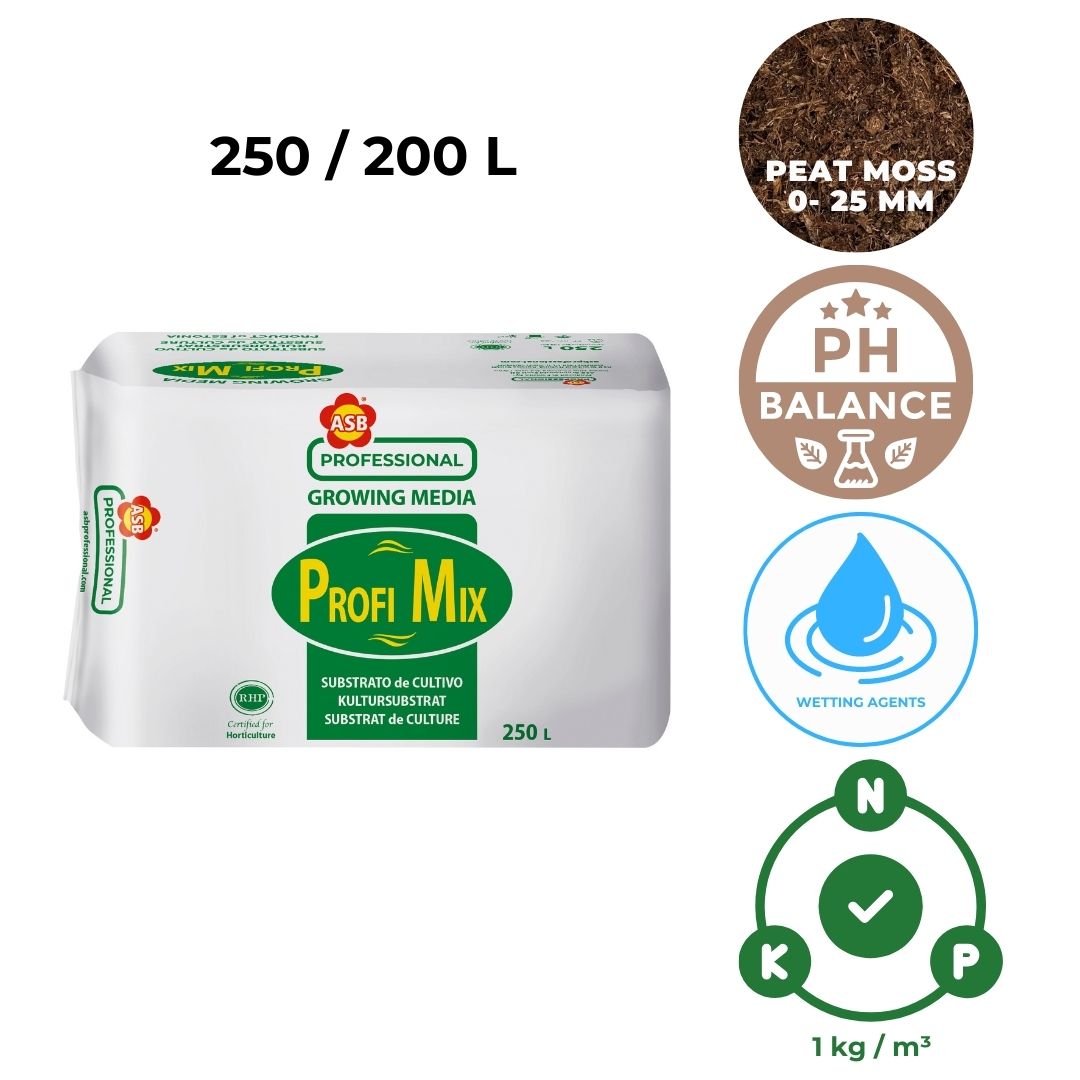
ASB Professional Substrate Mix 0-25 NPK
A 0-25 mm potting composition with wetting agent, a 1 kg/m³ nutrient charge and a stated pH of 5.8-6.2 for container production.
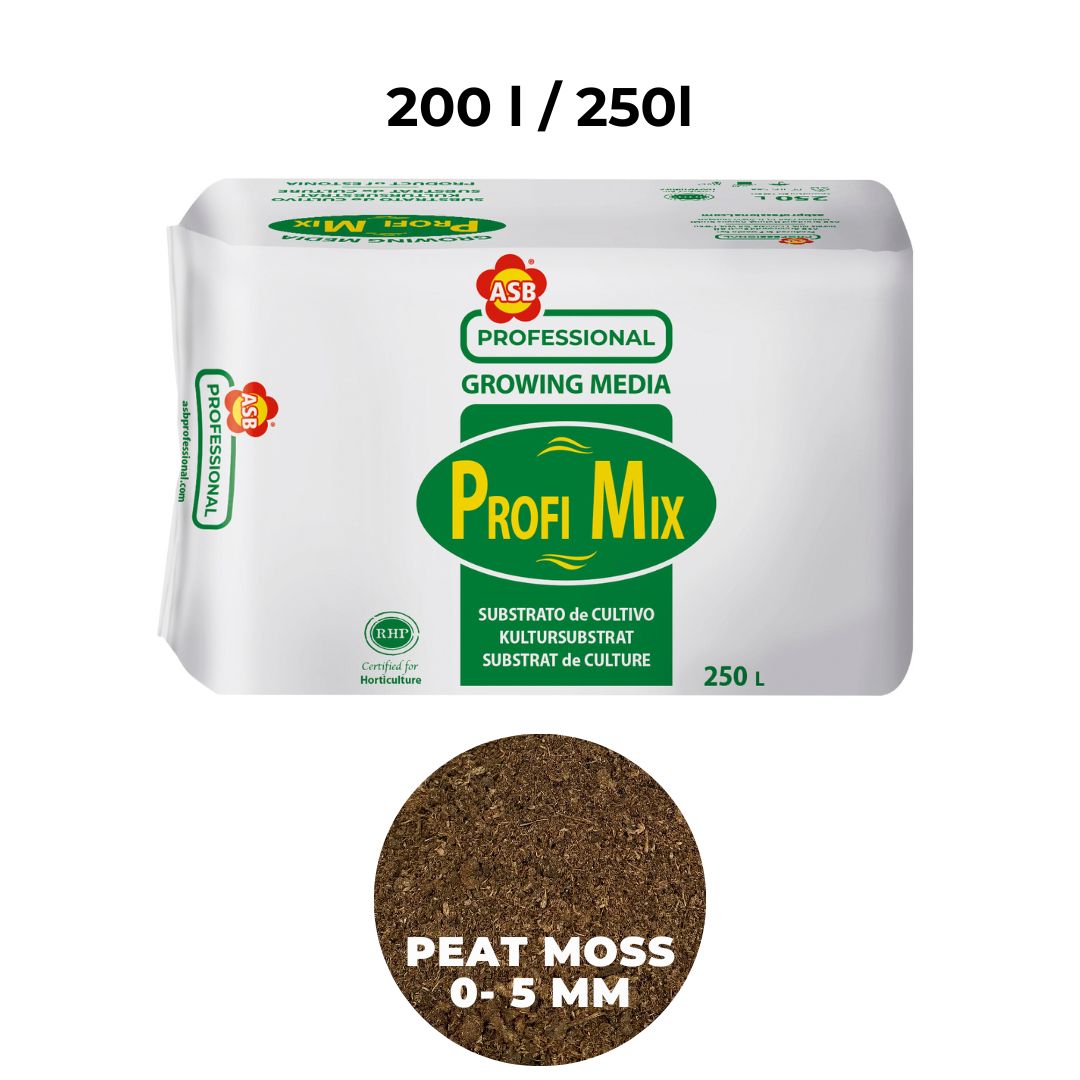
ASB Mushroom Farm Peat 0-5
A 0-5 mm black peat product at pH 7 for mushroom casing programmes, where consistent fraction and pH affect water holding and casing behaviour.
Documented vs undocumented consistency
| Criteria | Documented | Undocumented |
|---|---|---|
| Fraction | A stated particle-size or structure range, with the applicable tolerance and control method understood. | Described as "fine" or "coarse" without a stated millimetre range or screening step. |
| pH and EC | Reported with a defined method, extraction solution and ratio so results can be compared correctly. | A single pH or EC number with no stated method, so it cannot be compared correctly with another result. |
| Moisture and bulk density | Requirements and check frequency are agreed where these properties affect handling, blending or usable volume. | Not discussed, so the buyer first notices relevant variation during receiving or production. |
| Batch documentation | The product and batch or lot are identifiable, and any agreed batch-specific results are supplied in the agreed form. | Only a generic brochure is available, with no clear connection to the material that arrived. |
| Delivery query | Agreed in advance how a query is sampled, confirmed and communicated, supported by batch identification. | No stated process; the issue is addressed only after a problem appears in production. |
FAQ
Why does peat vary between batches in the first place?
Peat is a natural material formed over long periods in a bog, and it varies by depth, degree of decomposition, moisture at harvest and season. A less decomposed layer behaves differently from a more decomposed one even within the same bog. This variation is normal for a raw material; consistency comes from how the producer controls the supplied product against its specification.
What should a supplier measure to control batch consistency?
The relevant controls depend on the product and application. Common checkpoints include particle-size distribution or structure, pH and EC using a defined method, moisture content and bulk density where they affect handling or usable volume, plus recipe and addition controls for finished mixes. Buyers should ask which properties are product specifications, which are checked per batch or at another frequency, and which results can be supplied with an order.
Why do pH and EC need a named extraction method?
pH and EC results depend on sample preparation, extraction solution and extraction ratio. For example, results measured in water and in a salt solution, or at different material-to-liquid ratios, should not be treated as directly interchangeable. Compare deliveries using the same stated method, and do not compare two supplier figures until the methods behind them are known.
Does RHP certification support batch consistency?
Yes. RHP is an independent certification framework combining process audits, product inspections and random sampling and analysis of certified raw materials and growing media. For ASB Greenworld Eesti OÜ, it covers the peat bog, raw materials and end products. Certified status is shown on the packaging, delivery note or invoice and can be checked in RHP's online overview of certified products. Receiving checks suited to the buyer's own crop remain good practice alongside it.
What should travel with a delivery to prove consistency?
The delivery should be identifiable against the order through the product name or code and a batch or lot reference. For an RHP-certified delivery, the certification reference appears on the packaging, delivery note or invoice. Batch-specific analysis results can be supplied where agreed with the order.
How should a buyer confirm consistency in their own operation?
The most reliable picture comes from a consistent receiving routine across several deliveries. Confirm product and batch identification, sample in the same way and use the same laboratory method. Record observations relevant to production, such as filling behaviour, first wetting, irrigation response and crop uniformity. Over time, these records show how closely successive deliveries match the agreed specification.
Comparing suppliers on consistency, not just price?
Share the product, crop, receiving checks and properties that matter to your operation, and ask which specifications and batch-specific records are available before committing to volume.
This article is part of the ASB Professional Blog and highlights topics across events, sustainability, and technical growing media expertise. ASB Greenworld Eesti is listed as a member of the Estonian Peat Association (Eesti Turbaliit).
It helps customers and partners follow company developments, market activity, and product-related topics.
ASB Professional Editorial Team